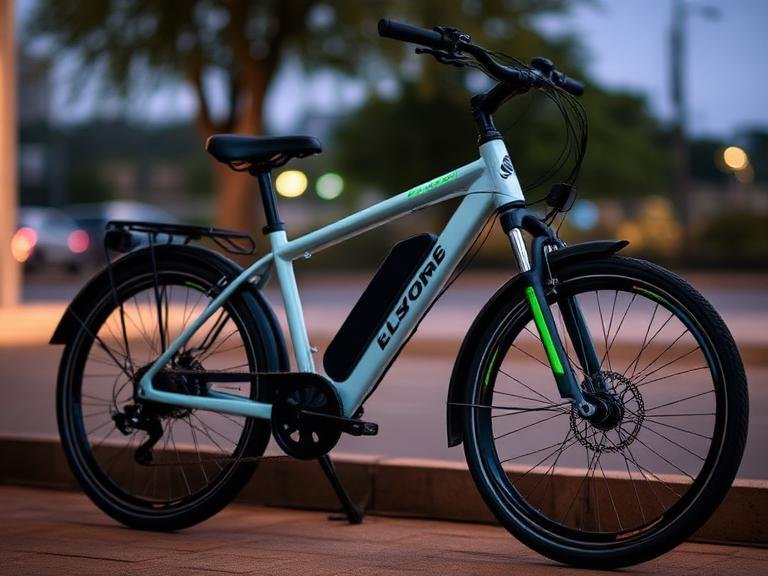
Common EV Bike Problems and How to Fix Them have become a popular choice for daily commuting and short-distance travel. With rising fuel costs, traffic congestion, and growing environmental awareness, EV bikes offer a clean, cost-effective, and convenient alternative to traditional petrol bikes. However, like any technology-based vehicle, EV bikes can face certain problems during regular use.
Many new EV bike owners worry when they encounter issues such as reduced battery range, charging failures, motor noise, or display errors. The good news is that most EV bike problems are common, easy to identify, and often fixable with basic knowledge and timely maintenance. Understanding these issues not only saves repair costs but also extends the life of your EV bike.
This article explains the most common EV bike problems, their possible causes, and practical solutions in a simple and user-friendly manner. Whether you are a daily commuter or an occasional rider, this guide will help you keep your electric bike running smoothly and safely.
Understanding EV Bike Technology
Before diving into problems, it is important to understand how an EV bike works. An electric bike mainly consists of a battery pack, an electric motor, a controller, a throttle or pedal assist system, and a charging unit. All these components work together to deliver power efficiently.
Unlike petrol bikes, EV bikes have fewer moving parts, which means lower maintenance. However, they rely heavily on electrical and electronic systems. Small issues such as loose wiring or software glitches can sometimes cause noticeable problems. Knowing the basics helps riders identify early warning signs and take corrective action before the issue becomes serious.
Battery-Related Problems in EV Bikes
Battery Draining Faster Than Expected
One of the most common complaints among EV bike users is reduced battery range. Riders often notice that their bike does not travel as far as it did when it was new.
Several factors contribute to fast battery drain. Riding at high speeds, carrying extra weight, frequent sudden acceleration, low tire pressure, and riding on steep roads can significantly reduce battery efficiency. Environmental factors like extreme heat or cold also affect battery performance.
To fix this problem, riders should maintain a steady riding speed, avoid overloading the bike, and check tire pressure regularly. Charging the battery correctly and avoiding deep discharge also helps preserve battery health. If the battery is old, replacing it may be the best solution.
EV Bike Battery Not Charging Properly
Another frequent issue is battery charging failure. Sometimes the charger indicator does not turn on, or the battery charges very slowly.
This problem can be caused by a faulty charger, damaged charging cable, loose socket connection, or internal battery cell imbalance. Power fluctuations at home charging points can also affect charging.
To fix this, first check the charging cable and power socket. Try charging from a different outlet. If the charger feels unusually hot or shows no indicator light, it may need replacement. If the issue continues, a technician should inspect the battery for internal damage.
Battery Overheating During Use or Charging
Battery overheating is a serious issue that should not be ignored. Overheating can reduce battery life and, in rare cases, pose safety risks.
This usually happens due to overcharging, fast charging with incompatible chargers, riding continuously at high speeds, or exposure to direct sunlight during charging.
The solution is to always use the manufacturer-recommended charger, avoid charging immediately after a long ride, and park the bike in a shaded, well-ventilated area. If overheating continues, professional inspection is required.
Motor-Related EV Bike Problems
EV Bike Motor Not Working
Sometimes, riders turn on the EV bike but notice that the motor does not respond, even though the display is active.
This issue can be caused by loose motor wiring, controller malfunction, damaged throttle, or water entry into electrical components.
To fix this, check visible wiring connections and ensure they are secure. Restarting the bike can sometimes reset the controller. If the motor still does not work, professional servicing is recommended to avoid further damage.
Unusual Noise from the Motor
An EV bike motor should operate quietly. Grinding, clicking, or humming noises are signs of a problem.
Noise can be caused by loose motor mounts, worn bearings, dust accumulation, or internal motor damage. Continuous riding with such noise can worsen the issue.
The best solution is to stop using the bike and have the motor inspected. Cleaning and tightening external components may help, but internal motor problems require expert repair.
Controller and Electrical Issues
EV Bike Suddenly Stops While Riding
A sudden power cut during riding can be alarming. This problem often occurs due to controller overheating, battery protection activation, or loose electrical connections.
Controllers are designed to shut down power when they detect abnormal voltage or temperature levels. Riding continuously at full speed or uphill can trigger this protection.
Allowing the bike to cool down and restarting usually solves the issue temporarily. For long-term prevention, avoid aggressive riding and ensure proper ventilation around the controller.
Display Panel Not Working or Showing Errors
The digital display provides important information such as speed, battery level, and error codes. Sometimes, the display may freeze, go blank, or show incorrect readings.
This issue may occur due to software glitches, moisture exposure, loose display cables, or controller communication errors.
Restarting the bike and checking display wiring can fix minor issues. If error codes persist, refer to the user manual or visit a service center for software updates or diagnostics.
Charging and Power Supply Problems
Charger Heating or Making Noise
A slightly warm charger is normal, but excessive heating or buzzing sounds indicate a problem.
This may be caused by poor internal components, unstable voltage supply, or using a non-original charger.
Always use certified chargers and avoid extension cords while charging. If the charger shows abnormal behavior, replace it immediately to prevent damage to the battery.
Charging Takes Longer Than Usual
If your EV bike takes significantly longer to charge than normal, it could indicate battery aging, charger inefficiency, or power supply issues.
As batteries age, charging speed naturally decreases. However, sudden changes should be investigated.
Replacing the charger or checking battery health can solve this issue. Keeping the battery within recommended temperature ranges also improves charging speed.
Mechanical and Riding Issues
Reduced Speed or Poor Acceleration
EV bikes are designed to provide smooth acceleration. Reduced speed may result from low battery voltage, worn motor components, or software restrictions.
Riding in eco mode, carrying excess weight, or underinflated tires can also affect speed.
Checking riding modes, maintaining proper tire pressure, and ensuring the battery is adequately charged usually resolve this problem.
Brake Problems in EV Bikes
Brake performance is critical for rider safety. Common brake issues include reduced braking power, noise, or regenerative braking failure.
These issues can occur due to worn brake pads, misaligned brake discs, or sensor malfunction in regenerative braking systems.
Regular brake inspection, timely pad replacement, and professional calibration ensure safe braking performance.
Common EV Bike Problems and Solutions Table
| Problem | Possible Cause | Practical Solution |
|---|---|---|
| Battery drains quickly | High speed, heavy load, old battery | Ride steadily, reduce load, replace battery |
| Battery not charging | Faulty charger, loose socket | Check charger, replace if needed |
| Motor not responding | Loose wiring, controller issue | Inspect connections, service check |
| Sudden power cut | Controller overheating | Allow cooling, avoid aggressive riding |
| Display not working | Cable issue, software glitch | Restart bike, update software |
| Charger overheating | Poor charger quality | Use original certified charger |
| Reduced speed | Low battery voltage | Fully charge battery, check tires |
| Brake inefficiency | Worn pads, misalignment | Replace pads, adjust brakes |
Preventive Maintenance Tips for EV Bikes
Regular maintenance is the key to avoiding most EV bike problems. Simple habits such as cleaning the bike, checking tire pressure, and inspecting cables can prevent expensive repairs.
Battery care is especially important. Avoid deep discharging, charge the battery in moderate temperatures, and store it properly if the bike is not used for long periods.
Keeping software updated and servicing the bike at authorized centers ensures optimal performance and safety.
When to Visit an Authorized Service Center
While some minor issues can be fixed at home, certain problems require professional expertise. Motor faults, controller errors, battery swelling, and repeated error codes should always be handled by trained technicians.
Attempting complex repairs without proper knowledge can void warranty and cause further damage. Authorized service centers use diagnostic tools to identify issues accurately and ensure long-term reliability.
Environmental and Cost Benefits of Proper EV Bike Maintenance
A well-maintained EV bike not only performs better but also contributes to environmental sustainability. Efficient batteries consume less electricity, and properly functioning motors reduce energy waste.
From a financial perspective, preventive maintenance reduces long-term repair costs and extends the life of expensive components like batteries and controllers. This makes EV bikes an even more economical transportation choice.
Future Improvements in EV Bike Technology
EV bike technology is constantly evolving. Manufacturers are developing smarter batteries, advanced controllers, and AI-based diagnostics to minimize common problems. Improved waterproofing, better thermal management, and faster charging systems are also being introduced.
As technology improves, many current issues will become less frequent. However, basic maintenance and responsible riding will always remain essential for trouble-free ownership.
Conclusion
Electric bikes are reliable, eco-friendly, and cost-efficient vehicles, but they are not completely problem-free. Most EV bike issues are common and manageable when identified early. Understanding battery behavior, motor function, and electrical systems empowers riders to take better care of their bikes.
By following proper charging practices, riding responsibly, and performing regular maintenance, EV bike owners can enjoy smooth performance and long-term savings. When in doubt, professional service ensures safety and peace of mind.
3 thoughts on “Common EV Bike Problems and How to Fix Them”