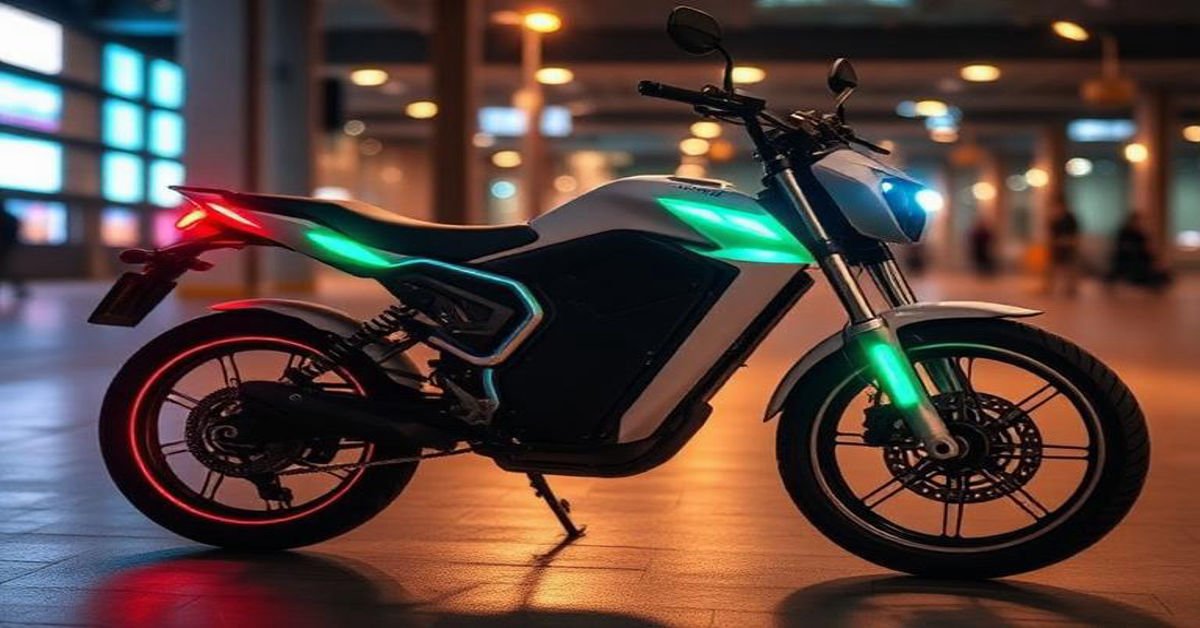
The Future of EV Bikes: What to Expect by 2030 of the future. Among them, electric bikes, commonly known as EV bikes or e-bikes, are emerging as one of the most practical, affordable, and eco-friendly transportation solutions. As cities become more congested and fuel prices continue to fluctuate, EV bikes are gaining attention from commuters, students, delivery professionals, and environmentally conscious riders.
By 2030, the EV bike industry is expected to undergo significant transformation. Advances in battery technology, smart connectivity, government policies, and charging infrastructure will reshape how people use and perceive electric two-wheelers. This article explores what the future holds for EV bikes by 2030, covering technology trends, market growth, environmental impact, costs, and user experience in a clear and trustworthy way.
Understanding EV Bikes and Their Growing Importance
EV bikes are two-wheelers powered either fully or partially by electric motors. Unlike conventional petrol bikes, EV bikes rely on rechargeable batteries and produce zero tailpipe emissions. Over the past decade, they have evolved from basic electric scooters to advanced vehicles with smart dashboards, long-range batteries, and connected features.
The growing importance of EV bikes is driven by several global factors. Urbanization has increased traffic congestion, air pollution has become a serious health concern, and governments worldwide are pushing for cleaner mobility solutions. EV bikes offer a balanced alternative that is affordable, efficient, and suitable for daily commuting.
By 2030, EV bikes are expected to move from being an alternative option to a mainstream mode of transportation in many countries, including India.
Market Growth of EV Bikes by 2030
The global EV bike market is projected to witness strong growth over the next five years. Factors such as rising fuel costs, supportive government policies, and improved consumer awareness are accelerating adoption.
In India, the demand for EV bikes is increasing rapidly due to high petrol prices and the availability of incentives under government schemes. Urban and semi-urban users are increasingly choosing electric bikes for short and medium-distance travel.
Expected EV Bike Market Trends by 2030
| Aspect | Expected Change by 2030 |
|---|---|
| Global Adoption | Strong increase in urban and developing regions |
| EV Bike Pricing | More affordable due to local manufacturing |
| Consumer Demand | Shift from petrol to electric bikes |
| Industry Players | Entry of new startups and global brands |
| Employment | Growth in EV manufacturing and service jobs |
This growth will not only benefit manufacturers but also create new opportunities in charging services, maintenance, software development, and battery recycling.
Battery Technology: The Core of EV Bike Evolution
Battery technology is the backbone of EV bikes, and by 2030, it is expected to improve dramatically. Current lithium-ion batteries will become more efficient, safer, and longer-lasting.
One of the most promising developments is solid-state battery technology. These batteries offer higher energy density, faster charging, and lower risk of overheating compared to conventional batteries. As production costs reduce, solid-state batteries may become commercially viable for EV bikes.
Another major change will be in battery lifespan. By 2030, EV bike batteries are expected to last longer with minimal degradation, reducing replacement costs for users.
Comparison of Battery Evolution
| Feature | Present EV Bikes | Expected by 2030 |
|---|---|---|
| Average Range | 80–120 km | 200+ km |
| Charging Time | 4–6 hours | Under 1 hour |
| Battery Life | 3–5 years | 7–10 years |
| Safety | Moderate | High with advanced monitoring |
Improved batteries will make EV bikes more reliable and practical for long-term ownership.
Charging Infrastructure and Convenience
Charging infrastructure is a key factor influencing EV bike adoption. Today, limited public charging points can be a challenge in many regions. However, by 2030, charging solutions are expected to be more accessible and user-friendly.
Governments and private companies are investing in public charging stations, especially in cities, highways, and residential areas. Fast-charging technology will reduce waiting times, making EV bikes more convenient for daily use.
Battery swapping stations will also play a major role. Instead of waiting to charge, users can exchange a depleted battery for a fully charged one within minutes. This model is particularly suitable for delivery services and commercial riders.
Smart and Connected EV Bikes
By 2030, EV bikes will become smarter and more connected. Integration with smartphones, cloud systems, and GPS technology will enhance safety, performance, and user experience.
Future EV bikes will offer features such as real-time battery monitoring, predictive maintenance alerts, theft protection, and route optimization. Artificial intelligence may be used to analyze riding behavior and suggest energy-efficient riding patterns.
Connected EV bikes will also allow manufacturers to provide over-the-air software updates, improving performance and adding new features without visiting a service center.
Design, Comfort, and Performance Improvements
The design of EV bikes is expected to evolve significantly by 2030. Manufacturers are focusing on lightweight materials, aerodynamic structures, and ergonomic designs to enhance comfort and efficiency.
EV bikes will no longer be seen as slow or underpowered. Improved motors will offer better acceleration and higher top speeds while maintaining energy efficiency. Suspension systems and braking technology will also see improvements, making rides smoother and safer.
Customization options such as riding modes, adjustable seating, and digital displays will become more common, catering to different user preferences.
Cost of Ownership and Affordability
One of the biggest advantages of EV bikes is their low running cost. By 2030, the total cost of ownership is expected to decrease further due to lower battery prices and reduced maintenance requirements.
Electric bikes have fewer moving parts compared to petrol bikes, which means less wear and tear. With better battery durability and widespread service networks, long-term ownership will become more economical.
Cost Comparison: Petrol Bike vs EV Bike by 2030
| Expense Type | Petrol Bike | EV Bike |
|---|---|---|
| Fuel/Energy Cost | High and fluctuating | Low and stable |
| Maintenance | Frequent servicing | Minimal servicing |
| Environmental Cost | High emissions | Zero tailpipe emissions |
| Long-Term Savings | Limited | Significant |
As affordability improves, EV bikes will become accessible to a wider population, including rural and low-income users.
Environmental Impact and Sustainability
EV bikes play a crucial role in reducing environmental pollution. By 2030, widespread adoption of EV bikes could significantly lower carbon emissions, especially in densely populated cities.
With cleaner energy sources being integrated into power grids, the overall environmental footprint of EV bikes will reduce further. Battery recycling and reuse programs will also improve, addressing concerns about electronic waste.
Sustainable manufacturing practices, such as the use of recycled materials and eco-friendly processes, will become standard in the EV bike industry.
Government Policies and Regulations
Government support will be a major driver of EV bike adoption by 2030. Many countries are already offering subsidies, tax benefits, and incentives to encourage electric vehicle usage.
In India, policies promoting local manufacturing, battery production, and charging infrastructure are expected to continue. Stricter emission norms for petrol vehicles may further push consumers toward EV bikes.
Safety regulations and quality standards will also improve, ensuring better reliability and consumer trust in electric two-wheelers.
EV Bikes in Urban Mobility and Delivery Services
EV bikes will play an essential role in shaping urban mobility by 2030. Their compact size, low noise, and zero emissions make them ideal for city environments.
Delivery and logistics companies are increasingly adopting EV bikes for last-mile delivery. By 2030, a large portion of urban deliveries is expected to be handled by electric two-wheelers, reducing traffic congestion and pollution.
Shared mobility services using EV bikes may also expand, offering affordable transportation options for short distances.
Challenges That Still Need to Be Addressed
Despite the promising future, EV bikes face some challenges. Battery disposal, initial purchase cost, and charging infrastructure in rural areas remain concerns.
However, ongoing research, policy support, and industry collaboration are expected to address these issues gradually. Consumer education will also play a key role in accelerating adoption.
What Consumers Should Expect as EV Bike Users by 2030
By 2030, owning an EV bike will be simpler and more rewarding. Users can expect longer ranges, faster charging, smart features, and improved safety.
Service networks will become more widespread, and spare parts will be easily available. Financing options and insurance products tailored for EV bikes will also improve, making ownership hassle-free.
Conclusion: The Road Ahead for EV Bikes
The future of EV bikes looks highly promising as we move toward 2030. With rapid advancements in technology, supportive government policies, and growing environmental awareness, EV bikes are set to become a dominant mode of transportation.
They offer a sustainable, cost-effective, and practical solution to modern mobility challenges. While some hurdles remain, continuous innovation and investment are paving the way for a cleaner and smarter future.
By 2030, EV bikes will not just be an alternative to petrol bikes—they will represent the future of two-wheeler transportation.
2 thoughts on “The Future of EV Bikes: What to Expect by 2030”