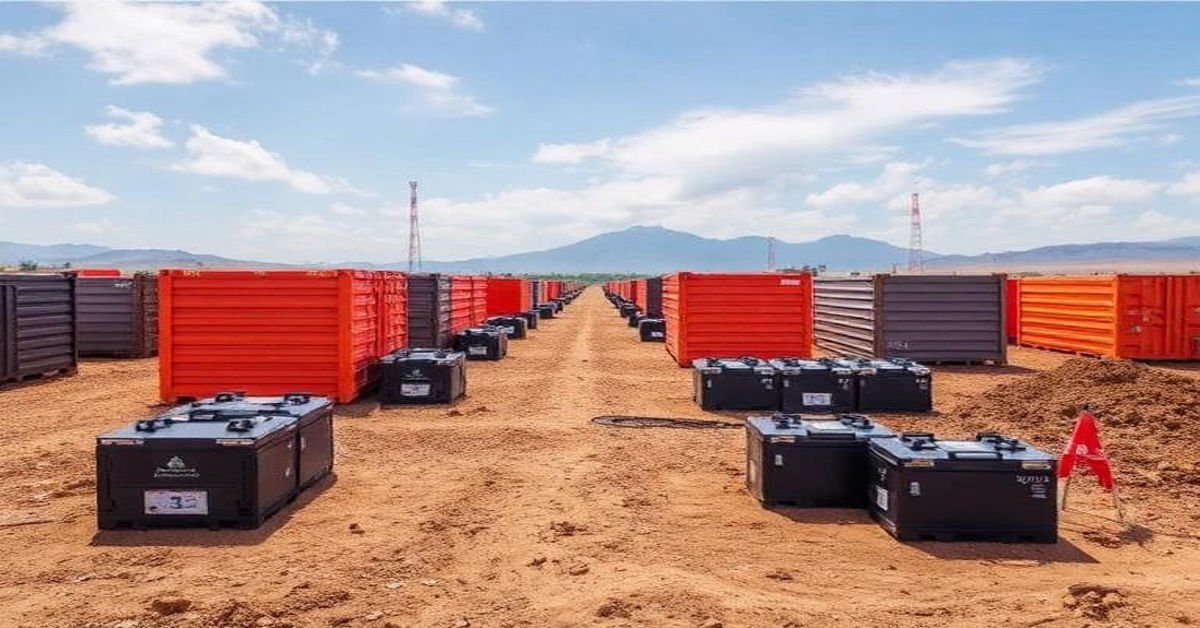
EV Battery Exports from India has placed electric vehicle (EV) batteries at the center of the clean energy revolution. As countries race to reduce carbon emissions and dependence on fossil fuels, demand for reliable, affordable, and high-performance EV batteries is increasing rapidly. In this evolving landscape, India is emerging as a significant exporter of EV batteries and battery components, supported by government policy, private investment, and a growing manufacturing ecosystem.
EV battery exports from India are no longer limited to small components or pilot shipments. Today, Indian companies are supplying lithium-ion cells, battery packs, battery management systems (BMS), and raw material-based intermediates to international markets. This article explores India’s EV battery export journey, key players, export destinations, government support, challenges, and future outlook.
Understanding EV Batteries and Their Role in Global Mobility
EV batteries are rechargeable energy storage systems used in electric cars, two-wheelers, buses, and commercial vehicles. The most commonly used EV battery type today is the lithium-ion battery, known for its high energy density, long lifecycle, and fast-charging capabilities.
India’s strength lies not only in assembling battery packs but also in manufacturing supporting electronics, software-driven BMS, thermal systems, and casing materials. These components play a vital role in global EV supply chains.
As international automakers diversify sourcing beyond a few dominant countries, India is increasingly viewed as a cost-effective and reliable export partner.
Current Status of EV Battery Exports from India
India’s EV battery exports are still at a developing stage compared to China or South Korea, but growth has been strong over the past few years. Indian manufacturers export finished battery packs, lithium-ion cells (limited volumes), and battery-related components to Asia, Europe, Africa, and North America.
The export ecosystem is driven by rising global EV sales, supply chain diversification strategies, and India’s improving manufacturing capabilities.
Overview of India’s EV Battery Export Ecosystem
| Export Category | Description | Global Demand Level |
|---|---|---|
| Lithium-ion battery packs | Fully assembled packs for EVs and energy storage | High |
| Battery modules & cells | Semi-finished and finished cells | Medium to High |
| Battery Management Systems (BMS) | Software and hardware control units | High |
| Thermal management components | Cooling and safety systems | Medium |
| Battery casings and connectors | Structural and electrical components | Medium |
These exports contribute not only to revenue but also to India’s reputation as a clean-tech manufacturing hub.
Key Export Destinations for Indian EV Batteries
Indian EV battery exports are distributed across both developed and emerging EV markets. Many countries prefer Indian suppliers due to competitive pricing, compliance with international standards, and flexible manufacturing volumes.
Major Countries Importing EV Batteries from India
| Region | Key Importing Countries | Export Focus |
|---|---|---|
| Asia | Bangladesh, Sri Lanka, Vietnam, Indonesia | Two-wheeler & three-wheeler batteries |
| Europe | Germany, Netherlands, UK, France | Battery packs & BMS |
| North America | USA, Canada | Energy storage and pilot EV projects |
| Middle East | UAE, Saudi Arabia | Commercial EV batteries |
| Africa | Kenya, South Africa, Nigeria | Electric buses & mobility solutions |
India’s proximity to emerging Asian and African markets gives it a logistical advantage over competitors located farther away.
Government Policies Supporting EV Battery Exports
The Indian government plays a crucial role in promoting EV battery manufacturing and exports. Several policy initiatives have created a favorable environment for domestic production and international trade.
Key Government Initiatives
| Policy / Scheme | Objective | Impact on Exports |
|---|---|---|
| PLI Scheme for Advanced Chemistry Cells | Encourage domestic battery manufacturing | Attracts global investors |
| National Electric Mobility Mission | Promote EV adoption and ecosystem | Boosts demand & scale |
| Make in India | Strengthen manufacturing base | Improves export readiness |
| Export Promotion Capital Goods Scheme | Reduce cost of manufacturing equipment | Enhances competitiveness |
These initiatives reduce dependency on imports and enable Indian companies to compete in global markets.
Leading Indian Companies Exporting EV Batteries
Several Indian companies have expanded their presence beyond domestic markets and are actively exporting EV batteries and related systems. Their expertise ranges from battery chemistry to pack integration and software.
Major Indian EV Battery Exporters
| Company Name | Core Strength | Export Markets |
|---|---|---|
| Exide Industries | Battery manufacturing & energy storage | Asia, Europe |
| Amara Raja Group | Lithium-ion battery packs | Middle East, Africa |
| Tata AutoComp | EV components & battery systems | Europe, USA |
| Reliance New Energy | Advanced battery materials | Global |
| Log9 Materials | Fast-charging battery solutions | Asia & Europe |
These companies invest heavily in R&D, quality control, and international certifications, making them reliable export partners.
Role of Lithium-Ion Battery Manufacturing in Exports
Lithium-ion batteries form the backbone of India’s EV battery export strategy. While India currently imports a large portion of raw lithium and cells, domestic cell manufacturing capacity is expanding rapidly.
Battery pack assembly and system integration remain India’s strongest areas, allowing exporters to deliver customized solutions based on regional EV requirements.
Common Lithium-Ion Chemistries Exported
| Battery Chemistry | Key Features | Usage |
|---|---|---|
| NMC (Nickel Manganese Cobalt) | High energy density | Passenger EVs |
| LFP (Lithium Iron Phosphate) | Longer life & safety | Buses & two-wheelers |
| LTO (Lithium Titanate) | Ultra-fast charging | Commercial fleets |
India’s ability to work with multiple chemistries improves its export flexibility.
Quality Standards and Certifications for Export
Exporting EV batteries requires strict compliance with international safety, performance, and environmental standards. Indian exporters increasingly follow global benchmarks to build trust with overseas buyers.
Common Certifications Required
| Certification | Purpose |
|---|---|
| UN 38.3 | Transportation safety |
| IEC Standards | Electrical performance |
| ISO 9001 & 14001 | Quality & environmental management |
| CE Marking | European market compliance |
| UL Certification | North American market acceptance |
Meeting these standards enhances India’s credibility in the global EV battery market.
Challenges Facing EV Battery Exports from India
Despite strong growth potential, Indian EV battery exporters face several challenges that must be addressed for long-term success.
Key Challenges
| Challenge | Explanation |
|---|---|
| Raw material dependency | Heavy reliance on imported lithium & cobalt |
| Cost competitiveness | Pressure from low-cost exporters |
| Technology gap | Advanced cell chemistry still developing |
| Logistics & shipping | Battery transport regulations increase costs |
| Recycling infrastructure | Limited large-scale battery recycling |
Overcoming these challenges requires continued investment, policy support, and international collaboration.
Opportunities for Growth in EV Battery Exports
India’s EV battery export potential is far from fully realized. With rising global EV adoption, demand for diversified suppliers is increasing.
Emerging Opportunities
| Opportunity Area | Growth Potential |
|---|---|
| Energy storage systems | High demand from renewable projects |
| Two-wheeler EV markets | Rapid growth in Asia & Africa |
| Battery recycling exports | Circular economy solutions |
| Software-driven BMS | High-value technology exports |
| Custom battery packs | Niche EV applications |
India’s strength in engineering and software offers a competitive edge in value-added exports.
Sustainability and Environmental Responsibility
Sustainability plays a vital role in global acceptance of EV batteries. Indian exporters are increasingly focusing on eco-friendly manufacturing, ethical sourcing, and recycling initiatives.
Sustainable practices not only meet regulatory requirements but also enhance brand trust in international markets. Companies adopting green energy in manufacturing and transparent sourcing practices gain a strong advantage.
Future Outlook of EV Battery Exports from India
The future of EV battery exports from India looks promising. As domestic cell manufacturing scales up and technology improves, India is expected to become a major global supplier.
Industry experts predict strong export growth driven by cost advantages, skilled manpower, and supportive policies. Collaboration with global automakers and energy companies will further strengthen India’s position.
Expected Trends
| Trend | Impact |
|---|---|
| Local cell manufacturing | Reduced costs & higher exports |
| Advanced battery chemistries | Improved global competitiveness |
| Export-oriented EV clusters | Faster production & logistics |
| Battery recycling exports | New revenue streams |
Conclusion
EV battery exports from India represent a powerful opportunity for economic growth, technological leadership, and environmental responsibility. While challenges remain, India’s manufacturing capabilities, skilled workforce, and government support are laying a strong foundation for global success.
As the world moves toward electric mobility, India is steadily positioning itself as a trusted exporter of EV batteries and energy storage solutions. With continued investment in innovation, sustainability, and quality, India’s role in the global EV battery supply chain will only grow stronger in the years ahead.
1 thought on “EV Battery Exports from India: Growth, Opportunities, and Global Impact”