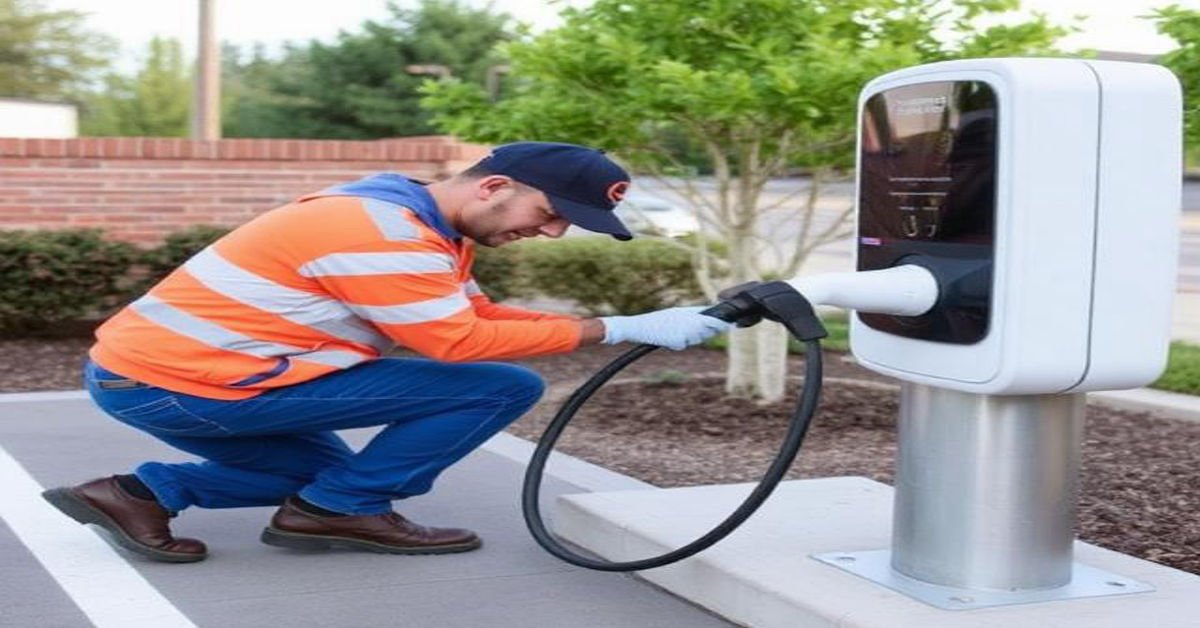
The rapid growth of electric vehicles (EVs) has transformed charging stations into critical public infrastructure. For EV owners, a charging station is not just a plug point—it is a promise of reliability, safety, and convenience. For operators, charging stations represent long-term investments that must perform consistently to remain profitable and trusted. This is where EV charging station maintenance becomes essential.
EV charging station maintenance refers to the systematic process of inspecting, cleaning, testing, repairing, and upgrading EV charging equipment to ensure safe and efficient operation. Maintenance applies to all charger types, including AC Level 1, AC Level 2, and DC fast chargers.
Maintenance is not a one-time activity. It is an ongoing operational responsibility that covers hardware, software, power systems, network connectivity, and user-facing components.
Why EV Charging Station Maintenance Is Critical
As EV adoption increases, charging infrastructure experiences heavier usage. Without proper maintenance, stations degrade faster, increasing the risk of failures.
Key reasons maintenance is critical include:
-
Safety assurance for users and technicians
-
Reduced equipment downtime
-
Longer charger lifespan
-
Stable charging performance
-
Compliance with electrical and safety standards
-
Positive customer experience
-
Higher utilization and revenue
Types of EV Charging Stations and Maintenance Needs
Different charger types require different maintenance approaches. Understanding these differences helps operators plan efficient service schedules.
| Charger Type | Power Range | Typical Location | Maintenance Complexity |
|---|---|---|---|
| Level 1 | Up to 2 kW | Residential | Low |
| Level 2 | 3.3–22 kW | Homes, offices, malls | Medium |
| DC Fast Charger | 50–350 kW | Highways, public hubs | High |
DC fast chargers require the most intensive maintenance due to high-voltage components and cooling systems.
Core Components Requiring Regular Maintenance
EV charging stations consist of multiple components that must work together flawlessly.
| Component | Purpose | Maintenance Focus |
|---|---|---|
| Charging connector & cable | Transfers power to vehicle | Wear, overheating, damage |
| Power electronics | Converts and regulates electricity | Thermal stress, aging |
| Cooling system | Controls heat | Fan and liquid checks |
| Display & interface | User interaction | Visibility and responsiveness |
| Network module | Connectivity and billing | Software updates |
| Protective casing | Weather protection | Corrosion and cracks |
Routine EV Charging Station Maintenance Tasks
Routine maintenance is preventive in nature and helps detect issues early.
Visual Inspection
Technicians inspect cables, connectors, screens, housings, and mounting structures for visible damage or vandalism.
Cleaning
Dust, debris, moisture, and insects can affect internal and external components. Regular cleaning ensures ventilation and safe operation.
Cable and Connector Testing
Charging cables undergo repeated bending and stress. Insulation damage or loose contacts can cause power loss or safety hazards.
Electrical Testing
Voltage stability, grounding resistance, and insulation integrity are checked using certified instruments.
Software and Firmware Updates
Modern chargers rely on software for billing, authentication, and network management. Updates fix bugs, improve performance, and enhance security.
Preventive vs Corrective Maintenance
Understanding maintenance strategies helps optimize costs and reliability.
| Maintenance Type | Description | Benefits | Risks |
|---|---|---|---|
| Preventive | Scheduled inspections and servicing | Lower downtime, predictable costs | Requires planning |
| Corrective | Repairs after failure | Immediate fix | Higher costs, service disruption |
Preventive maintenance is always more cost-effective over the long term.
Common EV Charging Station Problems
Despite advanced design, charging stations face recurring issues.
Connector Failures
Frequent plugging and unplugging cause wear. Poor-quality connectors accelerate failures.
Overheating
Blocked vents or cooling system failures lead to overheating, forcing chargers to shut down.
Network Connectivity Issues
Unstable internet connections disrupt billing and authentication, frustrating users.
Power Supply Fluctuations
Grid instability or faulty internal components can interrupt charging sessions.
Vandalism and Misuse
Public chargers are vulnerable to physical damage, graffiti, and cable theft.
Maintenance Frequency Guidelines
Maintenance schedules depend on location, usage, and charger type.
| Location | Usage Level | Recommended Frequency |
|---|---|---|
| Residential | Low | Every 6–12 months |
| Workplace | Medium | Every 3–6 months |
| Public urban | High | Monthly |
| Highway fast chargers | Very high | Weekly to monthly |
Safety Standards and Compliance
EV charging station maintenance must follow national and international electrical safety standards. Compliance ensures protection for users, technicians, and property.
Key compliance areas include:
-
Electrical grounding and insulation
-
Overcurrent protection
-
Emergency shutoff functionality
-
Fire safety measures
-
Accessibility requirements
Documented maintenance logs help demonstrate compliance during inspections.
Role of Skilled Technicians
EV charging stations involve high-voltage systems. Maintenance must be performed by trained professionals with expertise in electrical engineering and EV technologies.
Qualified technicians bring:
-
Knowledge of electrical codes
-
Experience with charger hardware
-
Diagnostic and troubleshooting skills
-
Safety awareness
-
Software configuration expertise
Untrained handling increases accident risk and equipment damage.
Impact of Maintenance on User Experience
A charging station that works flawlessly builds trust. A station that fails repeatedly drives users away.
Well-maintained stations offer:
-
Faster session start times
-
Accurate billing
-
Reliable power delivery
-
Clear displays and instructions
-
Reduced queuing frustration
User satisfaction directly influences charger utilization and profitability.
Maintenance Cost Factors
EV charging station maintenance costs vary based on several factors.
| Cost Factor | Description |
|---|---|
| Charger type | DC fast chargers cost more to maintain |
| Location | Outdoor stations face weather exposure |
| Usage volume | Higher usage increases wear |
| Spare parts | Availability and brand quality |
| Labor | Technician skill level |
Investing in preventive maintenance significantly lowers long-term repair expenses.
Remote Monitoring and Predictive Maintenance
Modern charging networks use remote monitoring systems to detect issues before failure.
Benefits include:
-
Real-time fault alerts
-
Performance analytics
-
Reduced on-site visits
-
Faster response times
-
Data-driven maintenance planning
Predictive maintenance uses usage and sensor data to forecast component failure, improving reliability.
Weather and Environmental Challenges
Environmental conditions greatly affect charger lifespan.
Heat
High temperatures stress power electronics and batteries.
Rain and Humidity
Moisture ingress causes corrosion and short circuits.
Dust and Pollution
Dust blocks vents and cooling systems.
Cold Weather
Extreme cold affects cable flexibility and display performance.
Weather-resistant enclosures and regular inspections mitigate these risks.
Spare Parts Management
Availability of spare parts reduces downtime. Operators should maintain an inventory of critical components.
| Essential Spare Parts | Reason |
|---|---|
| Charging connectors | High wear items |
| Cooling fans | Frequent failure point |
| Power modules | Core functionality |
| Display units | User interaction |
| Network boards | Connectivity |
Documentation and Record Keeping
Accurate maintenance records support transparency and accountability.
Records should include:
-
Inspection dates
-
Performed tasks
-
Replaced parts
-
Technician details
-
Observed issues
Documentation helps with audits, warranty claims, and performance analysis.
Sustainability and Maintenance
Well-maintained charging stations support environmental goals by:
-
Reducing electronic waste
-
Improving energy efficiency
-
Extending equipment lifespan
-
Supporting consistent EV adoption
Sustainable maintenance practices align with long-term clean energy objectives.
Future Trends in EV Charging Station Maintenance
Maintenance is evolving with technology.
Key trends include:
-
AI-based fault detection
-
Self-diagnostic chargers
-
Modular hardware designs
-
Automated software updates
-
Predictive analytics platforms
These innovations reduce human intervention while improving reliability.
Best Practices for EV Charging Station Operators
To ensure long-term success, operators should:
-
Follow preventive maintenance schedules
-
Use certified technicians
-
Invest in quality components
-
Monitor chargers remotely
-
Maintain detailed service records
-
Educate users on proper usage
Conclusion
EV charging station maintenance is not an optional task—it is a strategic responsibility. Reliable maintenance ensures safety, boosts user trust, protects investments, and supports the global transition to electric mobility. As charging networks expand, professional and proactive maintenance will define which operators succeed and which struggle.
By adopting structured maintenance practices, leveraging technology, and prioritizing safety and user experience, EV charging stations can deliver consistent performance and long-term value in the rapidly evolving EV ecosystem.
2 thoughts on “EV Charging Station Maintenance”