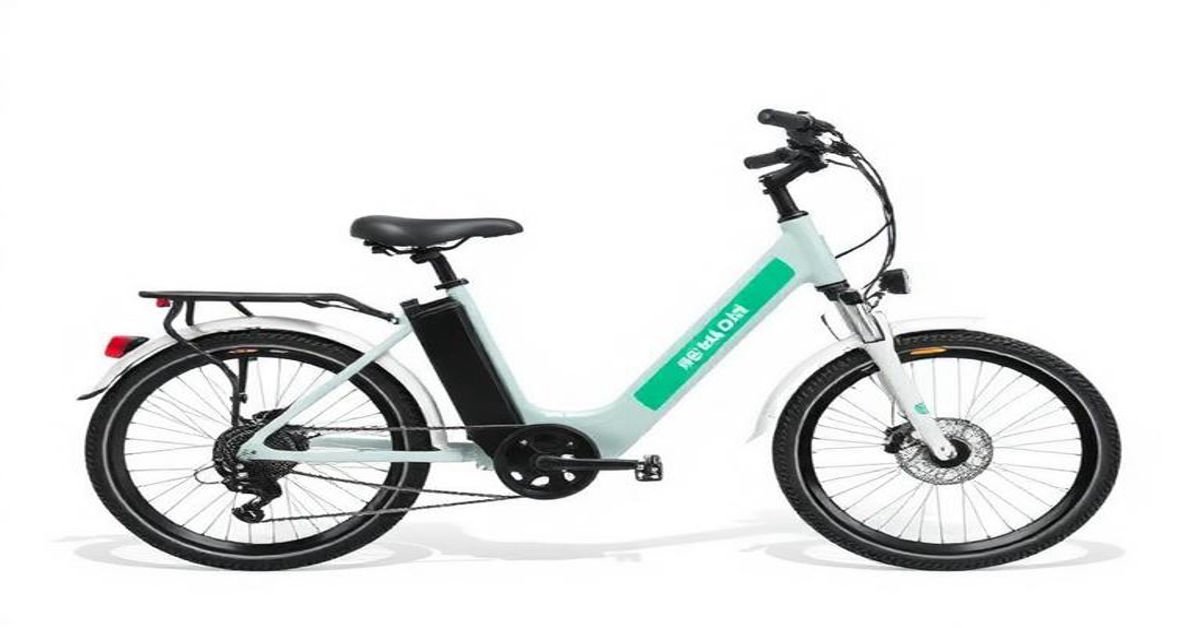
Electric bikes, commonly known as EV bikes, are rapidly becoming a popular choice for daily commuting, delivery work, and eco-friendly travel. With rising fuel prices and growing environmental awareness, many people are shifting from petrol vehicles to electric alternatives. However, the upfront cost of an EV bike can be a challenge for many buyers. This is where EV bike financing options play an important role.
This detailed guide explains EV bike financing options in a simple and transparent way, helping buyers choose the most suitable payment method. Whether you are a first-time EV buyer, a salaried employee, or a self-employed professional, understanding financing choices can save money and reduce financial stress.
Understanding the Cost of an EV Bike
Before choosing a financing option, it is important to understand why EV bikes are priced differently from traditional two-wheelers.
EV bikes use advanced components such as lithium-ion batteries, electric motors, and smart control systems. These technologies increase manufacturing costs but reduce long-term running expenses. Financing makes EV ownership affordable by spreading the cost over manageable monthly payments.
Key Factors That Influence EV Bike Price
| Cost Component | Explanation |
|---|---|
| Battery Pack | The most expensive part, often 30–40% of total cost |
| Motor & Controller | Determines performance and efficiency |
| Charging Technology | Fast-charging systems increase price |
| Brand & Warranty | Established brands cost more but offer better support |
| Government Taxes | Reduced or zero taxes in many regions |
Understanding these factors helps buyers decide how much financing they actually need.
Why EV Bike Financing Is Important
EV bike financing allows buyers to own an electric vehicle without paying the full amount upfront. This is especially useful for middle-income families and young professionals.
Financing also supports faster EV adoption, which benefits the environment and reduces dependence on fossil fuels.
Benefits of Financing an EV Bike
-
Makes high-quality EV bikes affordable
-
Preserves savings for emergencies
-
Allows buyers to choose better models
-
Helps build or improve credit score
-
Enables easy upgrades in the future
Types of EV Bike Financing Options
There are several financing methods available for EV bike buyers. Each option suits different financial situations.
Bank Loans for EV Bikes
Traditional banks offer two-wheeler loans specifically designed for electric vehicles. These loans usually come with competitive interest rates and flexible repayment periods.
Banks prefer applicants with stable income and good credit history. Many public and private banks also offer special interest rate discounts for electric vehicles.
Bank Loan Features
| Feature | Details |
|---|---|
| Interest Rate | Lower than petrol bike loans |
| Loan Tenure | 12 to 60 months |
| Down Payment | 10% to 30% |
| Eligibility | Salaried or self-employed |
| Processing Time | 2 to 7 working days |
Bank loans are suitable for buyers who prefer structured repayment and transparency.
Non-Banking Financial Company (NBFC) Loans
NBFCs are private financial institutions that provide faster loan approvals with minimal documentation. They are ideal for buyers who may not qualify for bank loans.
NBFCs often partner directly with EV bike dealers, making the buying process smoother.
NBFC Loan Advantages
-
Faster approval
-
Flexible eligibility criteria
-
Dealer-assisted financing
-
Custom repayment plans
However, interest rates may be slightly higher compared to banks.
Dealer or Manufacturer Financing
Many EV bike manufacturers offer in-house financing or partner with lenders to provide easy EMI options at showrooms.
This option is convenient because the entire process is handled at one place. Buyers can choose financing while selecting the bike.
Dealer Financing Overview
| Aspect | Details |
|---|---|
| Convenience | High |
| Interest Rate | Medium |
| Approval Speed | Same day |
| Documentation | Minimal |
| Offers | Festival or promotional discounts |
Dealer financing is suitable for buyers who want a hassle-free experience.
Zero Down Payment Financing
Some lenders and EV brands offer zero down payment schemes, allowing buyers to take delivery without paying anything upfront.
While this option is attractive, it often comes with higher EMIs or longer loan tenure.
Things to Consider
-
Higher interest cost over time
-
Increased monthly burden
-
Suitable for short-term use or urgent needs
Buyers should calculate the total repayment amount before choosing this option.
EMI-Based EV Bike Purchase
EMI (Equated Monthly Installment) financing is the most common method. The total cost is divided into equal monthly payments.
EMIs depend on loan amount, interest rate, and tenure. Choosing the right EMI structure helps maintain financial stability.
EMI Calculation Factors
| Factor | Impact |
|---|---|
| Loan Amount | Higher loan increases EMI |
| Interest Rate | Lower rate reduces EMI |
| Loan Tenure | Longer tenure lowers EMI but increases total interest |
Many online EMI calculators help buyers estimate monthly payments.
Credit Card EMI for EV Bikes
Some dealers allow EV bike purchases through credit card EMI options. This method is suitable for short-term financing.
Credit card EMI usually has higher interest rates and shorter repayment periods.
When Credit Card EMI Makes Sense
-
Short tenure purchases
-
Buyers with strong credit limits
-
Temporary financing needs
This option should be used cautiously to avoid high interest costs.
Government-Backed Financing and Subsidy Support
Governments in many regions support EV adoption through subsidies and reduced interest loans.
Subsidies lower the effective cost of the bike, reducing the amount needed for financing.
Common Government Benefits
| Benefit Type | Description |
|---|---|
| Purchase Subsidy | Direct price reduction |
| Tax Benefits | Reduced GST or road tax |
| Interest Support | Lower loan interest rates |
| Special Schemes | Green mobility programs |
Buyers should check eligibility criteria before applying.
Battery-as-a-Service (BaaS) Financing Model
Some EV brands offer battery subscription models. Instead of buying the battery, users pay a monthly fee.
This reduces the upfront cost of the EV bike significantly.
Advantages of Battery Subscription
-
Lower initial price
-
Free battery replacement in some plans
-
Reduced maintenance worries
-
Flexible ownership
This model is gaining popularity among urban commuters.
Eligibility Criteria for EV Bike Loans
Although criteria vary by lender, most financing providers check basic financial stability.
Common Eligibility Requirements
| Requirement | Details |
|---|---|
| Age | 21 to 60 years |
| Income Proof | Salary slip or business proof |
| Credit Score | Preferably 650+ |
| Residence Proof | Utility bill or ID |
| Bank Account | Active account required |
Meeting eligibility improves approval chances and interest rates.
Documents Required for EV Bike Financing
Proper documentation ensures faster loan processing.
Standard Document List
-
Identity proof
-
Address proof
-
Income proof
-
Bank statements
-
Passport-size photographs
Self-employed applicants may need additional business documents.
Choosing the Right Financing Option
Selecting the best EV bike financing option depends on individual financial goals.
Buyers should consider monthly income, future expenses, and loan tenure before finalizing.
Comparison Table of Financing Options
| Financing Type | Best For | Interest Level | Approval Speed |
|---|---|---|---|
| Bank Loan | Long-term stability | Low | Medium |
| NBFC Loan | Quick access | Medium | Fast |
| Dealer Finance | Convenience | Medium | Very Fast |
| Zero Down Payment | Low savings | High | Fast |
| Battery Subscription | Urban users | Low upfront | Fast |
Mistakes to Avoid While Financing an EV Bike
Many buyers focus only on EMI amount and ignore total loan cost.
Common Mistakes
-
Ignoring interest rate comparison
-
Choosing long tenure without calculation
-
Not checking prepayment charges
-
Overlooking insurance and registration costs
-
Falling for promotional offers without reading terms
Avoiding these mistakes ensures financial safety.
Long-Term Financial Benefits of EV Bike Financing
EV bikes have lower running and maintenance costs compared to petrol bikes. Financing spreads purchase cost, while savings continue throughout usage.
Over time, fuel savings often offset EMI expenses.
Cost Comparison Insight
| Expense Type | EV Bike | Petrol Bike |
|---|---|---|
| Fuel Cost | Very Low | High |
| Maintenance | Low | Medium |
| Loan EMI | Medium | Medium |
| Total Ownership Cost | Lower | Higher |
This makes EV bikes financially attractive in the long run.
Future Trends in EV Bike Financing
The EV financing market is evolving rapidly. Digital loan approvals, app-based EMI tracking, and AI-based credit assessment are becoming common.
In the future, buyers can expect:
-
Instant paperless loans
-
Customized EMI plans
-
Increased government-backed green loans
-
More battery subscription options
These developments will make EV ownership easier and more affordable.
Final Thoughts on EV Bike Financing Options
EV bike financing options are designed to make electric mobility accessible to everyone. With multiple choices available, buyers can select a plan that matches their budget and lifestyle.
Understanding loan types, interest rates, and repayment terms helps avoid financial stress and ensures a smooth ownership experience. As EV technology continues to improve, financing will play a crucial role in accelerating adoption.
1 thought on “EV Bike Financing Options Explained”