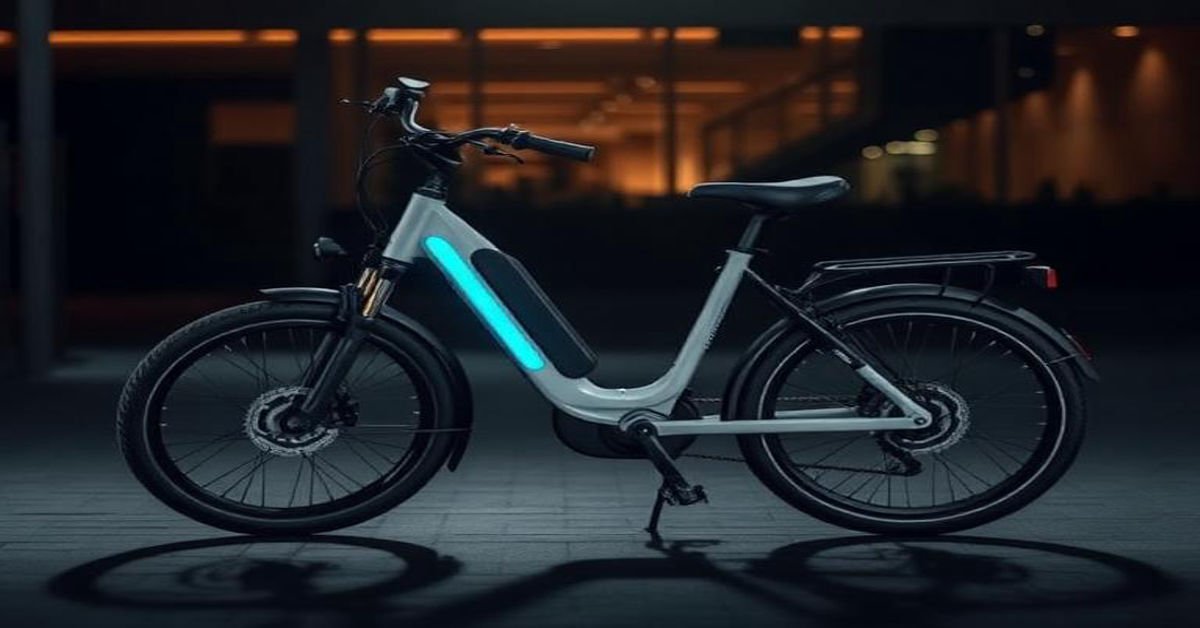
EV Bike Warranty Coverage Explained are becoming increasingly popular due to rising fuel prices, environmental awareness, and government incentives. While most buyers focus on range, battery capacity, motor power, and charging time, warranty coverage is often misunderstood or ignored until a problem occurs.
Understanding EV bike warranty coverage is extremely important because electric vehicles rely heavily on components like batteries, controllers, and motors, which are expensive to repair or replace. A clear understanding of warranty terms can save owners significant money and avoid unnecessary disputes with manufacturers or dealers.
What Is an EV Bike Warranty?
An EV bike warranty is a manufacturer’s written promise to repair or replace specific parts of an electric bike if they fail due to manufacturing defects within a defined period. It protects buyers from unexpected expenses caused by faulty components.
Unlike petrol bikes, EV bikes have fewer mechanical parts but rely more on electrical and electronic systems. Because of this, EV warranties are typically divided into separate coverage periods for different components such as the battery, motor, and vehicle body.
EV bike warranties are usually limited warranties, meaning they apply only under certain conditions and do not cover every possible issue.
Why EV Bike Warranty Coverage Is Important
Electric two-wheelers involve high initial costs, especially the battery, which can account for 30–40% of the vehicle’s price. Warranty coverage provides peace of mind and long-term cost protection.
Key benefits of EV bike warranty coverage include:
-
Protection against manufacturing defects
-
Reduced maintenance and repair costs
-
Increased resale value
-
Confidence in product quality
-
Legal support in case of defective components
For first-time EV buyers, warranty clarity is especially important because electric technology is still evolving.
Types of EV Bike Warranty Coverage
EV bike warranties are generally categorized based on vehicle components. Understanding these categories helps buyers know exactly what protection they are receiving.
Common Types of EV Bike Warranties
| Warranty Type | Coverage Area | Typical Duration |
|---|---|---|
| Vehicle Warranty | Chassis, frame, body panels | 2–3 years |
| Battery Warranty | Lithium-ion battery pack | 3–5 years |
| Motor Warranty | Electric motor and drivetrain | 2–3 years |
| Controller Warranty | ECU and power controller | 1–3 years |
| Charger Warranty | Home or portable charger | 1 year |
Each component has different wear characteristics, so manufacturers provide different warranty periods.
EV Bike Battery Warranty Explained
The battery warranty is the most critical part of EV bike coverage. Since batteries degrade naturally over time, warranties focus on manufacturing defects, not normal aging.
Most EV bike manufacturers offer a battery warranty of 3 to 5 years or a specific number of charge cycles, whichever comes first.
What Battery Warranty Usually Covers
-
Manufacturing defects
-
Sudden battery failure
-
Internal short circuits
-
Abnormal battery behavior under normal usage
-
Premature capacity loss beyond defined limits
What Battery Warranty Usually Does Not Cover
-
Normal battery degradation
-
Damage due to overcharging or deep discharging
-
Water damage caused by improper use
-
Unauthorized modifications
-
Physical damage due to accidents
Manufacturers may specify a minimum battery health percentage, such as 70%, below which replacement or repair is considered.
EV Bike Motor Warranty Coverage
The electric motor converts battery power into motion and is generally reliable. Motor warranties usually cover manufacturing defects rather than damage from misuse.
Motor Warranty Coverage Details
| Aspect | Coverage Explanation |
|---|---|
| Internal winding defects | Covered |
| Bearing failure | Covered |
| Overheating due to defects | Covered |
| Water damage | Not covered |
| Damage from overloading | Not covered |
Motor warranty duration typically ranges from 2 to 3 years, depending on the brand.
Controller and Electronics Warranty
The controller acts as the brain of the EV bike, regulating power delivery. Electronic components are sensitive and costly, making warranty coverage important.
Controller warranty usually includes:
-
Manufacturing defects in electronic circuits
-
Software-related failures (in some brands)
-
Sudden malfunction under normal conditions
However, damage caused by voltage fluctuations, unauthorized software updates, or aftermarket accessories is often excluded.
EV Bike Charger Warranty
Most EV bikes come with a standard charger, which usually has a shorter warranty period, often one year.
Charger warranty covers:
-
Manufacturing defects
-
Internal component failure
It does not cover:
-
Cable damage due to mishandling
-
Use with incompatible power sources
-
Damage caused by power surges
What Is Usually Not Covered Under EV Bike Warranty?
Understanding exclusions is as important as knowing what is covered. Many warranty claims are rejected due to misunderstanding exclusions.
Common EV Bike Warranty Exclusions
| Exclusion Type | Explanation |
|---|---|
| Wear and tear | Brake pads, tires, suspension |
| Accidental damage | Crashes, falls, collisions |
| Improper charging | Using non-approved chargers |
| Water ingress | Beyond IP rating limits |
| Unauthorized repairs | Third-party service centers |
| Software tampering | Unauthorized updates or hacks |
Always read the warranty booklet carefully to avoid surprises.
EV Bike Warranty vs Insurance: Key Differences
Many buyers confuse warranty with insurance, but they serve different purposes.
| Aspect | Warranty | Insurance |
|---|---|---|
| Covers manufacturing defects | Yes | No |
| Covers accidents | No | Yes |
| Mandatory | No | Yes (in many regions) |
| Cost | Included in vehicle price | Paid separately |
| Claim frequency | Limited | As per policy |
Both warranty and insurance are important and work together for full protection.
How to Claim EV Bike Warranty
Claiming EV bike warranty is usually a structured process. Following the correct steps increases the chances of approval.
Step-by-Step Warranty Claim Process
-
Visit an authorized service center
-
Report the issue clearly
-
Provide purchase invoice and warranty card
-
Allow inspection by technicians
-
Wait for manufacturer approval
-
Repair or replacement as per decision
Avoid attempting self-repairs before submitting a warranty claim, as this may void coverage.
Factors That Can Void Your EV Bike Warranty
Certain actions can immediately void your EV bike warranty, even within the coverage period.
Actions That May Void Warranty
-
Installing aftermarket electrical accessories
-
Using non-approved chargers
-
Battery tampering or opening
-
Riding through deep water
-
Skipping scheduled servicing
-
Modifying motor or controller settings
Following manufacturer guidelines strictly is essential to keep warranty valid.
Extended Warranty for EV Bikes: Is It Worth It?
Some manufacturers or dealers offer extended warranty plans at an additional cost. These plans usually extend coverage for battery or electronics.
Pros and Cons of Extended EV Bike Warranty
| Pros | Cons |
|---|---|
| Long-term cost protection | Additional upfront cost |
| Peace of mind | Limited coverage scope |
| Useful for high-usage riders | Strict conditions |
Extended warranties can be beneficial for daily commuters or commercial users.
EV Bike Warranty and Resale Value
A valid warranty significantly improves the resale value of an EV bike. Buyers are more confident purchasing a used EV with remaining battery and motor warranty.
Maintaining service records and avoiding unauthorized modifications helps preserve warranty benefits during resale.
Tips to Protect Your EV Bike Warranty
Following simple practices can ensure your warranty remains intact throughout the coverage period.
Best Practices for Warranty Protection
-
Charge the battery as per guidelines
-
Avoid deep discharging regularly
-
Service only at authorized centers
-
Keep service records safely
-
Avoid water exposure beyond limits
-
Use genuine accessories only
Responsible usage not only protects warranty but also improves vehicle lifespan.
Future Trends in EV Bike Warranty Coverage
As EV technology evolves, warranty structures are also improving. Some brands are introducing:
-
Battery health guarantees
-
Software update warranties
-
Subscription-based service plans
-
Predictive maintenance support
These changes aim to build long-term trust in electric mobility.
Conclusion: Understanding EV Bike Warranty Is Essential
EV bike warranty coverage is not just a formality—it is a critical ownership safeguard. From battery protection to motor reliability, understanding warranty terms helps buyers make informed decisions and avoid unnecessary expenses.
Before purchasing an electric two-wheeler, always compare warranty coverage across brands, read the fine print carefully, and follow usage guidelines strictly. A well-understood warranty ensures a smoother, stress-free EV ownership experience.
1 thought on “EV Bike Warranty Coverage Explained”