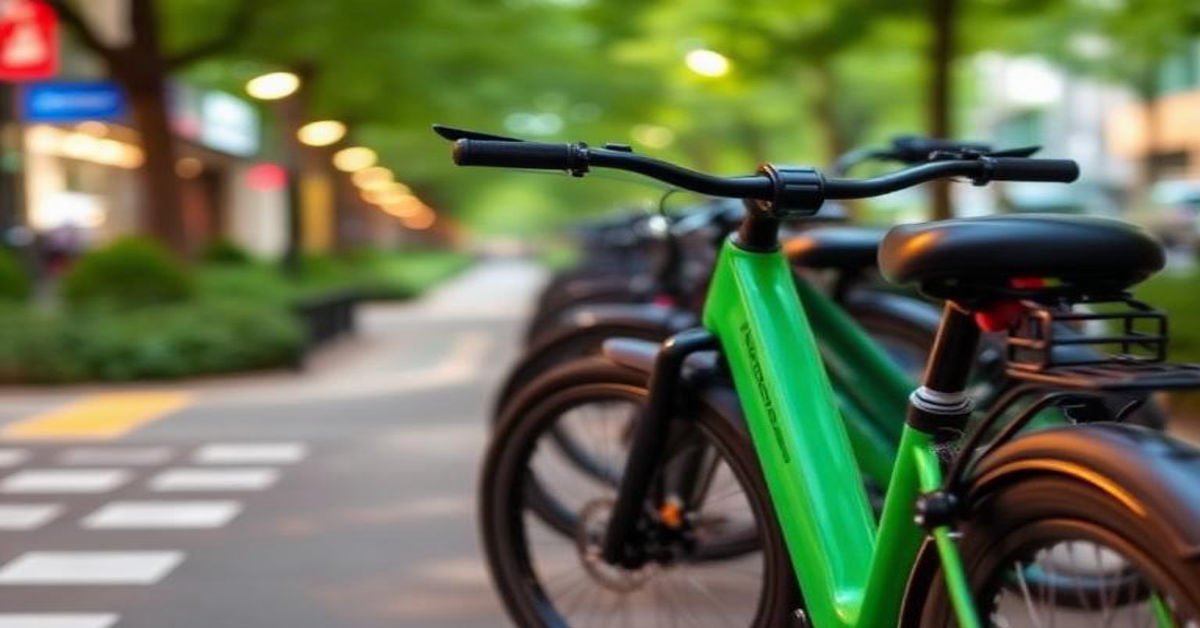
Urban EV Bike Adoption: A Green Shift in Cities across the world. Rapid urbanization, rising fuel costs, traffic congestion, and environmental concerns are forcing cities to rethink how people move from one place to another. Among the many solutions emerging, electric bikes (EV bikes) have become a game-changer in urban mobility. Their growing adoption represents a clear green shift toward cleaner, smarter, and more sustainable cities.
Urban EV bike adoption is not just a trend; it is a response to real challenges faced by modern cities. From reducing carbon emissions to improving daily commuting experiences, EV bikes are reshaping how urban residents travel. This article explores the reasons behind this shift, the benefits of EV bikes, challenges to adoption, government support, and the future of electric bikes in urban environments.
Understanding Urban EV Bikes
Electric bikes, commonly known as EV bikes or e-bikes, are two-wheelers equipped with an electric motor and a rechargeable battery that assists pedaling or powers the bike completely. Unlike conventional motorcycles, EV bikes are lightweight, energy-efficient, and designed for short to medium urban commutes.
In cities, EV bikes are used for daily commuting, food delivery, ride-sharing services, and personal travel. Their ability to navigate narrow streets, avoid traffic jams, and park easily makes them ideal for dense urban areas.
Key Components of an EV Bike
| Component | Description |
|---|---|
| Electric Motor | Provides power assistance, usually ranging from 250W to 750W |
| Battery Pack | Rechargeable lithium-ion battery powering the motor |
| Controller | Manages power flow between battery and motor |
| Frame & Wheels | Lightweight structure optimized for city roads |
| Braking System | Disc or regenerative brakes for safety |
These components work together to deliver a smooth, quiet, and efficient riding experience suitable for urban use.
Why Cities Are Embracing EV Bikes
The shift toward EV bikes in urban areas is driven by multiple interconnected factors. Cities worldwide are struggling with pollution, congestion, and infrastructure limitations, making electric bikes a practical alternative.
Rising Urban Traffic Congestion
Traffic congestion costs cities billions of dollars every year in lost productivity and fuel consumption. EV bikes offer a flexible mode of transport that allows riders to bypass traffic and reach destinations faster.
Unlike cars, EV bikes do not require wide roads or large parking spaces. This makes them especially useful in older cities with limited infrastructure expansion options.
Environmental Awareness and Climate Goals
Urban areas contribute significantly to greenhouse gas emissions. Traditional fuel-based vehicles are major contributors to air pollution and climate change.
EV bikes produce zero tailpipe emissions, helping cities reduce their carbon footprint. As governments commit to climate targets, promoting EV bike adoption becomes a key strategy.
Rising Fuel and Transportation Costs
With fluctuating fuel prices, daily commuting has become expensive for urban residents. EV bikes offer a cost-effective alternative with low running and maintenance costs.
Charging an EV bike costs only a fraction of what fuel vehicles require, making them attractive to students, office workers, and gig economy professionals.
Benefits of Urban EV Bike Adoption
Environmental Benefits
EV bikes significantly reduce urban pollution levels. By replacing short car trips, they help cut carbon dioxide emissions and reduce noise pollution.
| Environmental Impact | EV Bikes |
|---|---|
| Tailpipe Emissions | Zero |
| Noise Pollution | Very Low |
| Energy Efficiency | High |
| Fossil Fuel Use | None |
Cleaner air improves public health, reduces respiratory diseases, and enhances overall quality of life in cities.
Economic Advantages for Individuals
For urban commuters, EV bikes reduce daily travel expenses. Maintenance costs are lower because electric bikes have fewer moving parts compared to internal combustion vehicles.
Savings are especially noticeable for delivery riders and freelancers who travel long distances daily.
Improved Urban Mobility
EV bikes improve last-mile connectivity, linking public transport stations to homes and workplaces. They complement buses, metros, and trains rather than replacing them.
This integrated mobility approach helps cities reduce car dependency and improve transport efficiency.
EV Bikes and Sustainable Urban Living
Sustainable cities aim to balance economic growth, environmental protection, and social well-being. EV bikes support this vision by encouraging eco-friendly lifestyles.
Reduced Dependence on Cars
Urban EV bike adoption reduces reliance on private cars, freeing up road space and lowering congestion. Cities with high e-bike usage report smoother traffic flow and improved commute times.
Encouraging Active Transportation
Unlike fully motorized vehicles, EV bikes still require some physical effort. This promotes healthier lifestyles without exhausting riders, especially during long commutes.
Supporting Smart City Initiatives
Many smart city projects integrate EV bikes into shared mobility systems. App-based rentals, docking stations, and digital payments make EV bikes accessible to a wide range of users.
Government Policies Supporting EV Bike Adoption
Government support plays a crucial role in accelerating urban EV bike adoption. Many cities and countries offer incentives to encourage people to switch to electric mobility.
Financial Incentives
Subsidies, tax exemptions, and reduced registration fees lower the initial cost of EV bikes, making them affordable for middle-income households.
Infrastructure Development
Cities are investing in dedicated bike lanes, charging stations, and parking zones to support safe EV bike usage.
| Policy Area | Urban Initiatives |
|---|---|
| Subsidies | Purchase incentives for EV bikes |
| Infrastructure | Bike lanes and charging points |
| Regulations | Emission restrictions on fuel vehicles |
| Awareness | Public campaigns promoting EV use |
Urban Emission Regulations
Low-emission zones and restrictions on fuel vehicles in city centers encourage residents to adopt cleaner transport options like EV bikes.
Role of EV Bikes in Urban Employment
EV bikes are also creating new economic opportunities in cities. Delivery services, ride-hailing platforms, and small businesses increasingly rely on electric bikes.
Growth of the Gig Economy
Food delivery, courier services, and e-commerce depend heavily on fast and efficient urban mobility. EV bikes reduce operational costs and increase delivery efficiency.
Employment Opportunities
The EV bike ecosystem supports jobs in manufacturing, maintenance, charging infrastructure, and software services.
Challenges in Urban EV Bike Adoption
Despite their benefits, EV bikes face several challenges that slow down adoption in some cities.
Infrastructure Gaps
Not all cities have sufficient bike lanes or charging stations. Sharing roads with heavy traffic can discourage potential users.
Battery Range Anxiety
Limited battery range can be a concern for riders who travel long distances daily. However, improvements in battery technology are gradually addressing this issue.
Safety Concerns
Accidents involving EV bikes highlight the need for better road safety awareness, helmet usage, and traffic regulations.
| Challenge | Impact |
|---|---|
| Limited Infrastructure | Slower adoption |
| Safety Issues | Reduced user confidence |
| Battery Costs | Higher initial investment |
| Weather Conditions | Seasonal usage limitations |
Technological Advancements in EV Bikes
Innovation is driving the next phase of urban EV bike adoption. Manufacturers are introducing smarter, safer, and more efficient models.
Battery Improvements
Modern lithium-ion batteries offer longer range, faster charging, and improved durability, making EV bikes more reliable for urban use.
Smart Features
GPS tracking, mobile app integration, anti-theft systems, and digital displays enhance user experience and security.
Lightweight Materials
Use of aluminum alloys and carbon fiber frames improves performance and comfort while reducing energy consumption.
EV Bikes vs Other Urban Transport Options
When compared with traditional transport modes, EV bikes offer a balanced mix of affordability, efficiency, and sustainability.
| Transport Mode | Cost | Emissions | Urban Suitability |
|---|---|---|---|
| Cars | High | High | Limited |
| Public Transport | Medium | Low | High |
| Fuel Scooters | Medium | High | Medium |
| EV Bikes | Low | Zero | Very High |
This comparison highlights why EV bikes are becoming a preferred choice for short urban trips.
Social Acceptance and Lifestyle Changes
Urban EV bike adoption reflects a shift in lifestyle and mindset. Younger generations prioritize sustainability and convenience over vehicle ownership.
Changing Commuting Culture
Flexible work hours and remote work models encourage alternative transport options like EV bikes for short trips.
Community Impact
Cities with high EV bike usage often experience stronger community interaction, quieter streets, and more pedestrian-friendly environments.
The Future of Urban EV Bike Adoption
The future of EV bikes in cities looks promising. As technology improves and costs decrease, adoption rates are expected to rise significantly.
Integration with Public Transport
EV bikes will increasingly be integrated into metro stations, bus terminals, and shared mobility hubs.
Expansion of Charging Infrastructure
Fast-charging stations and battery-swapping models will make EV bikes even more convenient.
Policy-Driven Growth
Stricter emission norms and climate commitments will push cities to promote EV bikes aggressively.
Expert Perspective on Urban EV Bikes
From an urban mobility and sustainability standpoint, EV bikes represent one of the most practical solutions for modern cities. Experts agree that promoting EV bikes is faster and more cost-effective than expanding road infrastructure.
Urban planners emphasize that EV bikes can deliver immediate environmental benefits while supporting long-term mobility goals.
Conclusion
Urban EV bike adoption marks a significant green shift in cities worldwide. By addressing environmental concerns, reducing commuting costs, and improving mobility, EV bikes are transforming urban transportation systems.
While challenges such as infrastructure and safety remain, continuous innovation, supportive government policies, and changing public attitudes are driving rapid growth. EV bikes are no longer just an alternative; they are becoming an essential part of sustainable urban living.
1 thought on “Urban EV Bike Adoption: A Green Shift in Cities”