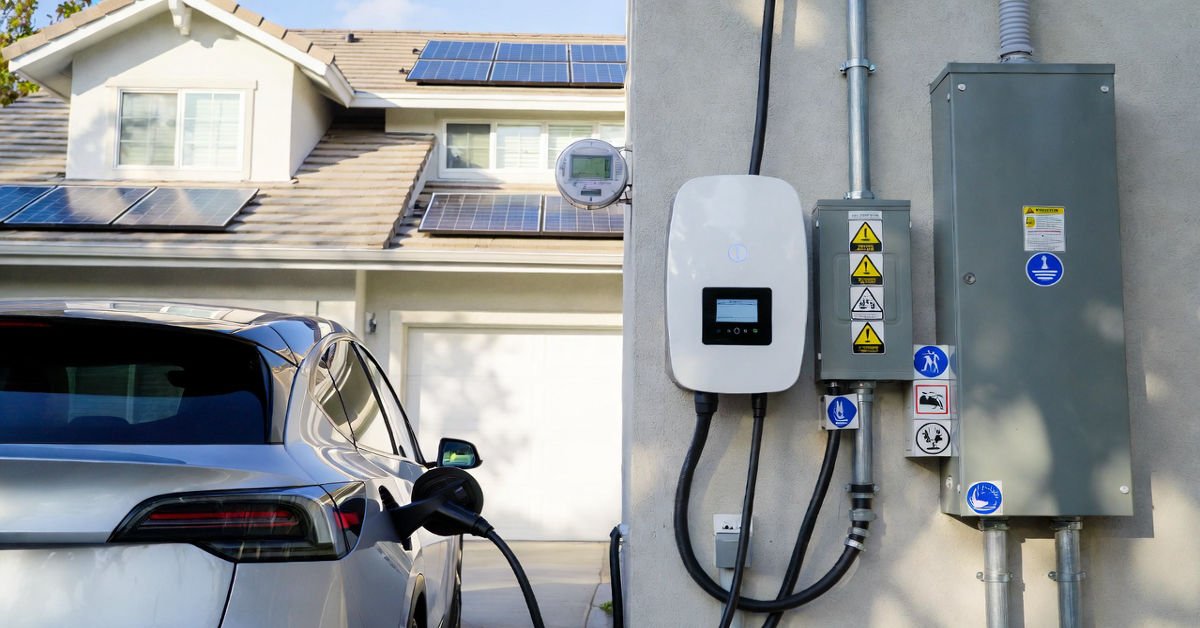
The rapid adoption of electric vehicles (EVs) across the world has transformed how people think about transportation and energy use. As more homeowners choose EVs, installing a home charging station has become a practical necessity rather than a luxury. However, home EV charging is not as simple as plugging in a device. It is governed by a range of regulations, safety standards, electrical codes, and local authority rules designed to protect homeowners, utilities, and the wider power grid.
Understanding Home EV Charging Regulations
Home EV charging regulations refer to the set of rules and standards that control how electric vehicle charging equipment is installed and used in residential properties. These regulations are created by government bodies, electrical authorities, and safety organizations to ensure that charging systems do not overload home wiring, cause electrical hazards, or disrupt the public power supply.
Regulations can vary by country, state, and even city, but they generally address similar concerns: electrical safety, grid stability, user protection, and environmental compliance.
Why Home EV Charging Regulations Are Important
Home EV charging regulations exist for good reasons. Charging an electric vehicle draws significant electrical power, often for extended periods. Without proper oversight, this can lead to serious risks.
Key reasons regulations are enforced include:
-
Preventing electrical fires caused by overloaded circuits
-
Protecting homeowners from unsafe or counterfeit charging equipment
-
Ensuring compatibility with local electrical infrastructure
-
Supporting fair energy distribution and grid reliability
-
Encouraging standardized, future-proof installations
By following these regulations, homeowners not only comply with the law but also protect their property and investment.
Types of Home EV Chargers Covered by Regulations
Home EV chargers are usually classified into different levels, each with specific regulatory requirements.
| Charger Type | Power Output | Typical Voltage | Common Use Case |
|---|---|---|---|
| Level 1 Charger | 1.4–2.3 kW | 120V (or 230V in some regions) | Overnight slow charging |
| Level 2 Charger | 3.3–22 kW | 240V–415V | Daily home charging |
| Smart Charger | Variable | Depends on model | Energy-managed charging |
Regulations tend to be stricter for Level 2 and smart chargers because they draw higher power and often connect to the internet or utility systems.
Electrical Codes and Wiring Standards
One of the most critical aspects of home EV charging regulations involves electrical codes. These codes define how wiring, circuit breakers, grounding, and load calculations must be handled.
Common regulatory requirements include:
-
A dedicated circuit for the EV charger
-
Correct circuit breaker rating based on charger load
-
Proper grounding and earthing systems
-
Use of certified cables and connectors
In many regions, chargers must comply with nationally recognized standards such as IEC, NEC, or equivalent local electrical codes.
Load Management and Grid Capacity Rules
As EV adoption increases, governments and utilities are paying close attention to how home charging affects the power grid. Regulations often require homeowners to consider load management.
This may include:
-
Declaring the charger’s power rating to the utility provider
-
Installing smart chargers that can adjust charging speed
-
Limiting charging during peak demand hours
These rules help prevent neighborhood-level power outages and reduce stress on transformers and substations.
Permits and Approvals for Home EV Chargers
In many jurisdictions, installing a home EV charger requires official permission. This usually involves electrical permits or building approvals.
| Requirement | Purpose | Who Issues It |
|---|---|---|
| Electrical Permit | Confirms safe installation | Local authority |
| Utility Notification | Grid load planning | Power company |
| Housing Society Approval | Shared infrastructure | Property management |
Failing to obtain required permits can result in fines, forced removal of equipment, or invalidation of home insurance.
Certified Equipment and Compliance Labels
Most home EV charging regulations require the use of certified charging equipment. Certification ensures that the charger has passed safety, performance, and durability tests.
Common compliance features include:
-
Official safety certification marks
-
Weatherproof ratings for outdoor installations
-
Built-in protection against overcurrent and overheating
Using uncertified chargers can be dangerous and may void warranties or insurance coverage.
Installation by Licensed Electricians
Another key regulatory requirement is that EV chargers must be installed by licensed or certified electricians. This ensures the installation meets all safety and legal standards.
Professional installation typically includes:
-
Load assessment of the home’s electrical system
-
Proper placement of the charger
-
Testing and certification after installation
DIY installations are often discouraged or explicitly prohibited under regulations.
Home EV Charging Regulations in Apartments and Shared Buildings
For people living in apartments or gated communities, home EV charging regulations can be more complex. Shared electrical infrastructure means additional considerations.
Common regulatory aspects include:
-
Permission from building management or housing societies
-
Individual metering for EV charging
-
Limits on maximum charging capacity per unit
Some regions also require fire safety clearances and designated EV parking areas.
Fire Safety and Emergency Compliance
Fire safety is a major concern in home EV charging regulations. High-voltage equipment must meet strict safety requirements.
Fire-related regulations often cover:
-
Minimum distance from flammable materials
-
Installation of residual current devices (RCDs)
-
Clear labeling and emergency shut-off access
These measures significantly reduce the risk of accidents during charging.
Smart Charging and Data Privacy Regulations
Modern EV chargers are increasingly “smart,” meaning they connect to apps, Wi-Fi, and utility systems. Regulations are evolving to address data privacy and cybersecurity.
Areas covered by smart charging rules include:
-
Secure handling of user data
-
Protection against unauthorized remote access
-
Transparency about data collection
These regulations ensure that convenience does not come at the cost of privacy or security.
Environmental and Energy Efficiency Requirements
Some home EV charging regulations are linked to environmental policies. Governments may encourage or mandate energy-efficient charging solutions.
Examples include:
-
Compatibility with solar panels
-
Support for time-of-use electricity tariffs
-
Incentives for low-energy-loss chargers
These measures align EV charging with broader sustainability goals.
Home EV Charging Incentives and Regulatory Conditions
Many governments offer financial incentives for home EV charger installation. However, these incentives usually come with regulatory conditions.
| Incentive Type | Condition | Benefit |
|---|---|---|
| Installation Subsidy | Certified equipment | Reduced upfront cost |
| Tax Credit | Approved installer | Lower tax liability |
| Utility Rebates | Smart charger usage | Energy cost savings |
Meeting regulatory requirements is often mandatory to qualify for these benefits.
Insurance and Liability Considerations
Home EV charging regulations also intersect with insurance policies. Insurers may require proof of compliant installation.
Key insurance-related aspects include:
-
Disclosure of charger installation
-
Compliance certificates from electricians
-
Coverage for electrical damage or fire
Ignoring regulations can lead to denied claims in the event of an incident.
Penalties for Non-Compliance
Non-compliance with home EV charging regulations can have serious consequences.
Possible penalties include:
-
Monetary fines
-
Disconnection of power supply
-
Legal liability in case of accidents
-
Loss of incentives or subsidies
Following regulations from the start is far more cost-effective than dealing with penalties later.
Future Trends in Home EV Charging Regulations
As EV technology evolves, regulations will continue to adapt. Future rules are likely to focus on:
-
Mandatory smart charging capabilities
-
Integration with renewable energy systems
-
Vehicle-to-grid (V2G) compatibility
-
Stronger cybersecurity standards
Homeowners who install regulation-compliant systems today will be better prepared for these changes.
Practical Checklist for Homeowners
Before installing a home EV charger, homeowners should ensure the following:
-
Charger meets certified safety standards
-
Installation is done by a licensed electrician
-
Required permits are obtained
-
Utility provider is notified if needed
-
Insurance provider is informed
This checklist helps ensure full compliance and peace of mind.
Conclusion
Home EV charging regulations are a vital part of the electric vehicle ecosystem. They protect homeowners, ensure electrical safety, support grid stability, and encourage sustainable energy use. While the rules may seem complex at first, they are designed to make home charging safer, smarter, and more reliable.
By understanding and following home EV charging regulations, EV owners can enjoy the convenience of charging at home without legal or safety concerns. Investing in compliant equipment and professional installation is not just about meeting requirements—it is about protecting your home, your vehicle, and the future of clean transportation.
1 thought on “Home EV Charging Regulations”