Introduction
EV Charging Solutions in the UK is accelerating rapidly across the United Kingdom. With ambitious government targets to phase out petrol and diesel cars, the demand for reliable, efficient, and accessible EV charging solutions has never been higher. Whether you are a homeowner, business owner, or fleet operator, understanding the evolving EV charging landscape is essential.
What Are EV Charging Solutions?
EV charging solutions refer to the systems, technologies, and infrastructure used to recharge electric vehicles. These include:
- Home charging units
- Public charging stations
- Workplace charging setups
- Rapid and ultra-rapid chargers
Each solution is designed to meet different user needs depending on location, vehicle type, and usage patterns.
Types of EV Charging in the UK
1. Home Charging Solutions
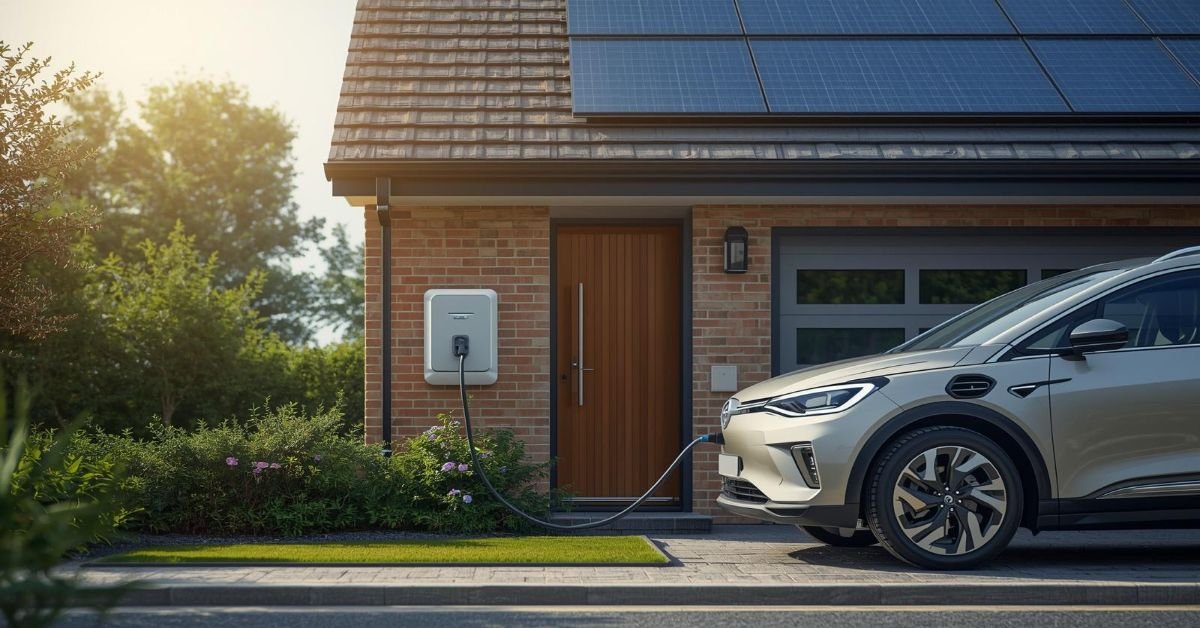
Home charging is the most convenient option for EV owners. It allows overnight charging and typically uses a dedicated wallbox.
Key Features:
- Charging speed: 3.6 kW to 7.4 kW
- Installation cost: £800–£1,500
- Charging time: 6–12 hours
Advantages:
- Lower electricity costs
- Convenience
- Smart charging features
Read more:Best Value Home EV Charger
2. Public Charging Stations
Public charging is essential for long-distance travel and urban users without private parking.
Common Locations:
- Supermarkets
- Motorways
- Shopping centres
- City centres
Charging Speeds:
- Slow (3 kW)
- Fast (7–22 kW)
- Rapid (50 kW)
- Ultra-rapid (150 kW+)
3. Workplace Charging
Businesses are increasingly installing EV chargers for employees and fleets.
Benefits:
- Employee satisfaction
- Sustainability goals
- Tax incentives
Read more:Federal EV Rebate for Sedans in the USA
Comparison of EV Charging Types
| Charging Type | Power Output | Charging Time | Best For | Cost per kWh |
|---|---|---|---|---|
| Slow Charger | 3 kW | 12–24 hrs | Overnight home use | Low |
| Fast Charger | 7–22 kW | 3–8 hrs | Home & workplace | Medium |
| Rapid Charger | 50 kW | 30–60 mins | Motorways & travel | High |
| Ultra-Rapid | 150+ kW | 15–30 mins | Long-distance travel | Highest |
Government Support and Grants in the UK
The UK government continues to support EV adoption through grants and incentives.
Key Schemes:
- EV Chargepoint Grant (for flats and rented properties)
- Workplace Charging Scheme (WCS)
- Infrastructure funding for local councils
These initiatives help reduce installation costs and encourage wider adoption.
Smart Charging Technology
Smart EV chargers are becoming the standard in the UK. They allow users to:
- Schedule charging during off-peak hours
- Monitor energy usage via mobile apps
- Integrate with solar panels
- Reduce electricity bills
Top EV Charging Providers in the UK
Several companies lead the EV charging market:
| Provider | Key Offering | Coverage Area |
|---|---|---|
| BP Pulse | Public rapid charging | Nationwide |
| Pod Point | Home & public chargers | UK-wide |
| Osprey Charging | Rapid charging network | Urban & highways |
| Gridserve | Electric forecourts | Motorways |
Challenges in EV Charging Infrastructure
Despite rapid growth, some challenges remain:
- Limited rural coverage
- High installation costs
- Grid capacity constraints
- Charging reliability issues
However, ongoing investment and innovation are addressing these concerns.
Read more:Solar Charging for Electric Cars
Future of EV Charging in the UK
The future of EV charging looks promising with several advancements:
1. Ultra-Fast Charging Expansion
Charging times could drop to under 10 minutes.
2. Wireless Charging
Inductive charging technology may eliminate cables entirely.
3. Vehicle-to-Grid (V2G)
EVs could supply power back to the grid, reducing energy costs.
EV Charging Costs in the UK
Costs vary depending on charging type:
| Charging Location | Average Cost per kWh | Typical Cost per Full Charge |
|---|---|---|
| Home | £0.28 | £10–£15 |
| Public Fast | £0.40–£0.60 | £15–£25 |
| Rapid Charger | £0.65–£0.85 | £25–£35 |
How to Choose the Right EV Charging Solution
Consider the following factors:
- Daily driving distance
- Access to home charging
- Budget
- Vehicle compatibility
- Charging speed requirements
Conclusion
EV charging solutions in the UK are evolving rapidly to meet the growing demand for electric vehicles. With strong government support, expanding infrastructure, and technological advancements, EV ownership is becoming more practical and accessible than ever.
Whether you are installing a home charger or relying on public networks, understanding your options will help you make informed decisions and maximize convenience.