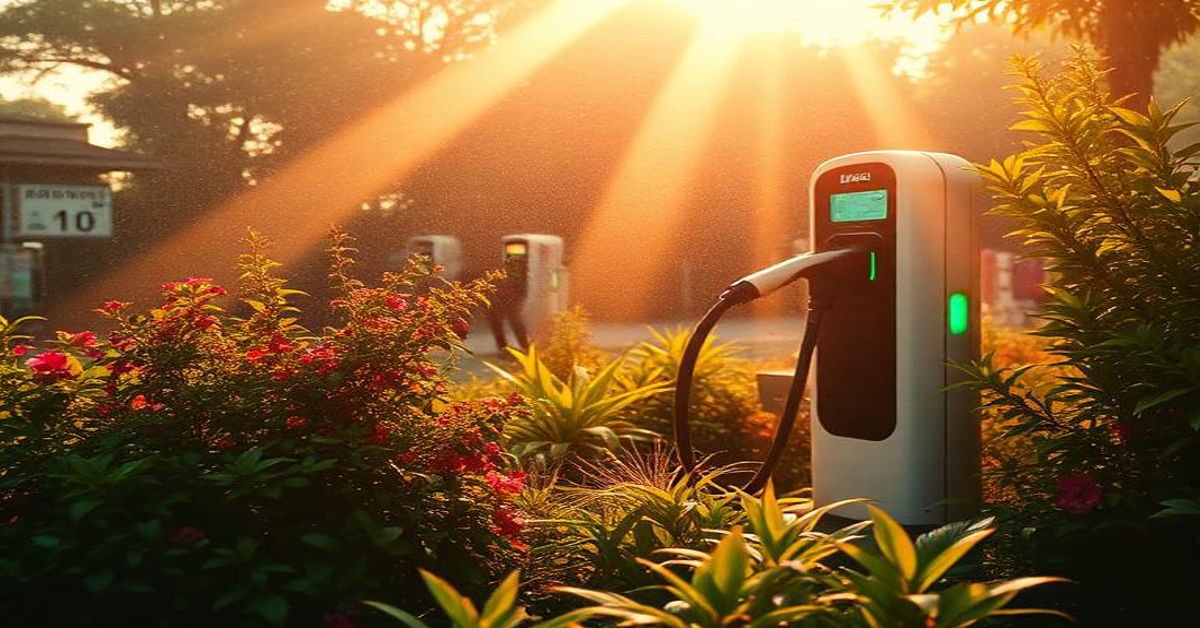
EV Charging Network Operators in India market is expanding at a rapid pace, driven by rising fuel costs, environmental concerns, and strong government support. While electric vehicles themselves often take the spotlight, the real backbone of this transformation is the EV charging network. Without reliable, accessible, and fast charging infrastructure, large-scale EV adoption is not possible.
EV charging network operators in India play a critical role in building this ecosystem. They install, operate, and manage charging stations across highways, cities, residential areas, workplaces, and commercial locations. This article provides an in-depth, experience-based and authoritative overview of EV charging network operators in India, their services, technologies, challenges, and future opportunities.
Understanding EV Charging Network Operators in India
EV charging network operators are companies or organizations responsible for setting up and maintaining charging stations. Their role extends beyond simply installing chargers. They manage power supply, ensure safety compliance, enable digital payment systems, provide customer support, and maintain uptime of chargers.
In India, these operators work closely with central and state governments, power distribution companies, vehicle manufacturers, and private investors. Their goal is to create a charging network that is accessible, affordable, and reliable for all EV users.
Importance of EV Charging Infrastructure in India
India’s EV ecosystem cannot grow without strong charging infrastructure. Charging network operators help address some of the biggest barriers to EV adoption.
One major concern among EV buyers is range anxiety. A visible and well-distributed charging network reassures users that they can charge their vehicles whenever needed. Another challenge is charging time. Operators are now deploying fast and ultra-fast chargers to reduce waiting time.
Charging networks also support India’s clean energy goals. Many operators integrate renewable energy sources such as solar power into their stations, reducing dependence on fossil fuels.
Types of EV Charging Network Operators in India
EV charging operators in India can be broadly classified into public sector, private sector, startup-led platforms, and energy companies.
Public Sector Operators
Public sector companies play a foundational role in India’s charging infrastructure. These operators often focus on highways, government buildings, and public transport hubs.
Private Sector Operators
Private companies invest heavily in urban and commercial charging infrastructure. They bring innovation, user-friendly apps, and fast deployment.
Startup-Led Charging Networks
Startups focus on technology-driven solutions, smart charging, and asset-light business models. Many operate on a charging-as-a-service approach.
Energy and Utility Companies
Power utilities are increasingly entering the EV charging space by leveraging their existing grid infrastructure.
Major EV Charging Network Operators in India
The following table highlights some of the leading EV charging network operators currently active in India.
| EV Charging Operator | Type of Company | Key Focus Areas | Coverage |
|---|---|---|---|
| Tata Power EZ Charge | Public–Private | Fast & slow chargers, highways, cities | Pan-India |
| ChargeZone | Private | DC fast charging, commercial fleets | Major cities & highways |
| Statiq | Startup | Smart charging, app-based access | Urban & highway locations |
| Ather Grid | OEM-led | Two-wheeler fast charging | Cities with Ather presence |
| Fortum India | Energy company | Renewable-powered charging | Select urban regions |
| Indian Oil Corporation | PSU | Fuel stations with EV chargers | Nationwide |
| BPCL (Bharat Petroleum) | PSU | Public charging stations | Major highways & cities |
| Zeon Charging | Private | High-speed DC charging | South & West India |
Tata Power EZ Charge: A Market Leader
Tata Power EZ Charge is one of the most trusted EV charging network operators in India. Backed by decades of experience in power generation and distribution, Tata Power has deployed thousands of chargers across residential societies, offices, malls, and highways.
Their network supports multiple charging standards and vehicle types, including two-wheelers, cars, and buses. The EZ Charge mobile app allows users to locate chargers, check availability, and make digital payments, enhancing user trust and convenience.
Startup-Driven Innovation in EV Charging
Indian startups are reshaping the charging landscape with technology-first solutions. Companies like Statiq and ChargeZone focus on data-driven deployment, smart energy management, and seamless user experience.
These startups often collaborate with real estate developers, parking operators, and fleet owners. Their agility allows them to scale quickly and respond to market needs faster than traditional players.
Role of Oil Marketing Companies in EV Charging
Oil marketing companies such as Indian Oil, BPCL, and HPCL are transforming traditional fuel stations into energy stations. By installing EV chargers at existing petrol pumps, they provide strategic locations with easy access and amenities.
This approach reduces infrastructure costs and builds user confidence, as fuel stations are familiar and widely distributed across the country.
Charging Technologies Used by Network Operators
EV charging network operators in India deploy different types of chargers based on location, demand, and vehicle compatibility.
| Charging Type | Power Output | Suitable For | Typical Charging Time |
|---|---|---|---|
| AC Slow Charging | 3.3–7.4 kW | Homes, offices | 6–8 hours |
| AC Fast Charging | 11–22 kW | Public parking | 3–4 hours |
| DC Fast Charging | 25–60 kW | Highways, malls | 45–90 minutes |
| DC Ultra-Fast Charging | 100 kW+ | Expressways | 20–30 minutes |
Digital Platforms and Mobile Apps
Most EV charging operators provide mobile applications to enhance user experience. These apps help users find nearby chargers, reserve slots, monitor charging progress, and make cashless payments.
Digital platforms also help operators collect data on usage patterns, enabling better planning and improved charger availability.
Government Support and Policy Framework
The Indian government actively supports EV charging infrastructure through policies and incentives. Programs such as FAME (Faster Adoption and Manufacturing of Electric Vehicles) encourage public and private investment in charging stations.
State governments also offer subsidies, reduced electricity tariffs, and simplified approvals for charging infrastructure deployment. This policy backing has increased investor confidence and accelerated network expansion.
Challenges Faced by EV Charging Network Operators
Despite strong growth, operators face several challenges.
High upfront costs for land, equipment, and grid upgrades can delay projects. Grid capacity constraints in some areas affect fast charger deployment. Interoperability issues between different charging standards can confuse users.
User awareness is another challenge. Many EV owners are still learning how to use public charging networks efficiently.
Reliability and Trust in Charging Networks
Trust is a critical factor in EV charging adoption. Users expect chargers to be functional, safe, and available. Operators invest heavily in maintenance, remote monitoring, and customer support to ensure reliability.
Consistent uptime and transparent pricing help build long-term trust among EV users, which aligns strongly with E-E-A-T principles.
Role of Renewable Energy in EV Charging
Several EV charging network operators are integrating renewable energy sources into their stations. Solar canopies, battery storage, and smart energy management systems reduce carbon footprint and grid dependency.
This approach supports India’s sustainability goals and improves the environmental credibility of EV charging networks.
Expansion into Tier-2 and Tier-3 Cities
Initially concentrated in metros, EV charging networks are now expanding into smaller cities and towns. This expansion is crucial for widespread EV adoption across India.
Operators are partnering with local authorities and businesses to deploy chargers at bus stands, railway stations, and municipal parking areas.
Business Models of EV Charging Operators
EV charging network operators use various business models to remain sustainable.
Some follow a pay-per-use model, charging users based on energy consumed or time spent. Others partner with property owners and offer revenue sharing. Fleet-focused operators often use subscription or long-term contracts.
Impact on Employment and Skill Development
The EV charging sector is creating new job opportunities in installation, maintenance, software development, and energy management. Training programs and skill development initiatives are helping technicians adapt to EV technologies.
This employment generation adds to the social impact of EV charging networks.
Safety Standards and Compliance
Safety is a top priority for EV charging network operators. Chargers must comply with Indian and international safety standards related to electrical protection, fire safety, and user handling.
Regular inspections, certified equipment, and proper signage ensure safe operation for users and operators alike.
Future of EV Charging Network Operators in India
The future of EV charging in India looks promising. As EV adoption grows, charging networks will become denser, faster, and smarter. Technologies such as vehicle-to-grid integration, AI-based load management, and wireless charging may soon become mainstream.
Collaboration between government, private players, and startups will define the next phase of growth.
How EV Users Can Choose the Right Charging Network
EV users should consider factors such as charger availability, pricing transparency, app usability, customer support, and network coverage. Using multiple charging apps often provides better flexibility, especially for long-distance travel.
Conclusion
EV charging network operators in India are the backbone of the country’s electric mobility revolution. Their efforts in building reliable, accessible, and technology-driven charging infrastructure are transforming how people view electric vehicles.
From public sector giants to innovative startups, these operators are shaping a cleaner, smarter, and more sustainable transportation future for India. As charging networks continue to expand and improve, they will play a decisive role in making electric vehicles a mainstream choice for millions of Indians.
4 thoughts on “EV Charging Network Operators in India”