The global transition toward clean energy is accelerating at an unprecedented pace. At the center of this transformation lies lithium — a lightweight metal that has become essential for rechargeable batteries used in electric vehicles (EVs), renewable energy storage, and modern electronics. As demand rises, innovators in the lithium industry are not only scaling production but also reshaping how the resource is extracted, processed, and recycled with sustainability at the forefront.
This article explores the sustainability impact of lithium innovators, examining how technological breakthroughs, responsible mining practices, and circular economy strategies are helping reduce environmental harm while supporting the world’s shift toward low-carbon energy systems.
Understanding Lithium’s Role in the Clean Energy Economy
Lithium is often referred to as the “white gold” of the energy transition because of its critical function in lithium-ion batteries. These batteries power everything from smartphones to grid-scale energy storage systems.
Unlike fossil fuels, lithium batteries enable renewable energy to be stored and used efficiently, making solar and wind power more reliable. However, the sustainability of lithium production has been widely debated, prompting innovators to develop smarter, greener approaches.
Why Lithium Matters Today
| Key Area | Impact of Lithium |
|---|---|
| Electric Vehicles | Enables long-range, zero-emission transportation |
| Renewable Energy Storage | Stabilizes power grids and supports clean energy adoption |
| Consumer Electronics | Powers lightweight, rechargeable devices |
| Industrial Applications | Supports robotics, aerospace, and advanced technologies |
The rapid electrification of transport alone is expected to multiply lithium demand several times over the next decade. This surge places responsibility on industry leaders to ensure growth does not come at the cost of environmental damage.
The Sustainability Challenge in Traditional Lithium Extraction
Historically, lithium has been extracted through two primary methods: hard rock mining and brine evaporation. While effective, both approaches present environmental concerns.
Hard rock mining involves significant land disruption and energy use, while brine extraction — commonly practiced in salt flats — can strain local water resources. Communities near extraction zones often worry about ecosystem balance and water availability.
Environmental Concerns at a Glance
| Challenge | Description | Sustainability Risk |
|---|---|---|
| Water Consumption | Large volumes needed for evaporation ponds | May affect local agriculture and biodiversity |
| Carbon Emissions | Energy-intensive mining processes | Increases lifecycle emissions |
| Land Disturbance | Habitat disruption during mining | Impacts wildlife |
| Waste Generation | Chemical byproducts require careful disposal | Potential soil and water contamination |
Recognizing these challenges, lithium innovators are now focusing on technologies that significantly reduce ecological footprints.
Direct Lithium Extraction (DLE): A Game-Changing Innovation
Direct Lithium Extraction is emerging as one of the most promising solutions for sustainable lithium production. Instead of relying on months-long evaporation processes, DLE uses advanced filtration or adsorption technologies to separate lithium from brine quickly and efficiently.
Benefits of Direct Lithium Extraction
| Advantage | Sustainability Benefit |
|---|---|
| Faster Processing | Reduces land use and evaporation ponds |
| Lower Water Loss | Returns most water back to the source |
| Higher Recovery Rates | Minimizes resource waste |
| Smaller Footprint | Less surface disruption |
Many energy analysts believe DLE could redefine the lithium supply chain by making extraction both environmentally responsible and economically viable.
Renewable Energy-Powered Lithium Operations
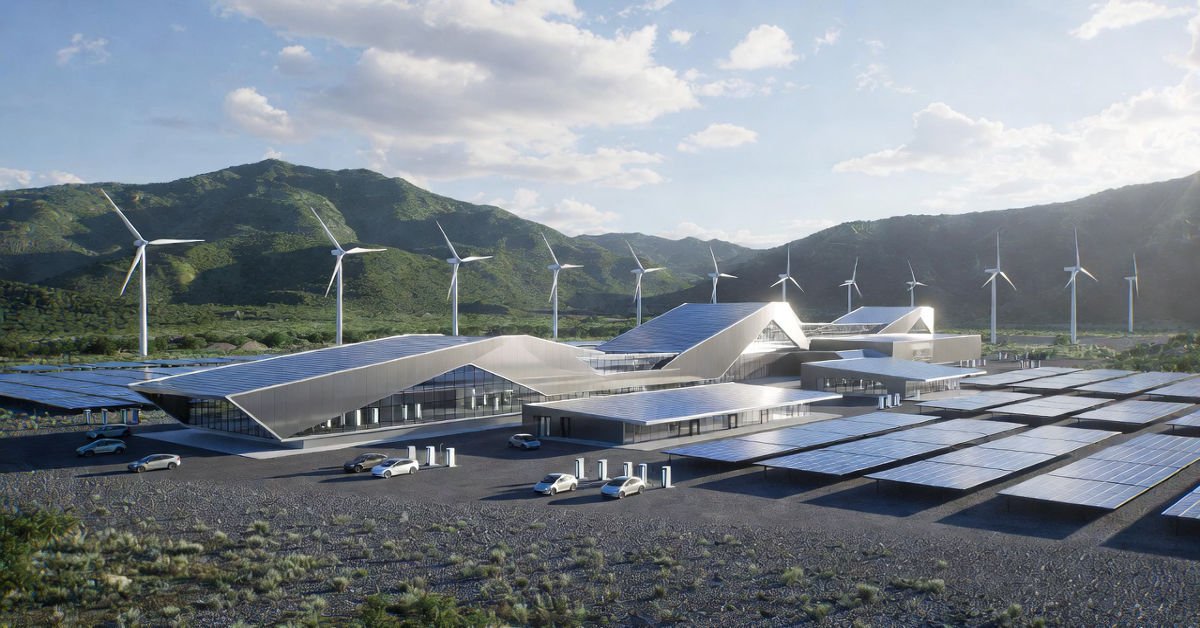
Another major step toward sustainability involves powering lithium facilities with renewable energy. Mining operations traditionally rely on diesel generators or coal-based electricity, but innovators are increasingly integrating solar, wind, and hybrid microgrid systems.
Clean Energy Integration in Lithium Production
| Energy Source | Application | Sustainability Outcome |
|---|---|---|
| Solar Farms | Powering evaporation pumps and facilities | Cuts operational emissions |
| Wind Energy | Supports remote mining locations | Reduces fossil fuel dependence |
| Battery Storage | Balances energy loads | Improves efficiency |
| Green Hydrogen (Emerging) | Potential fuel for heavy machinery | Long-term decarbonization |
By pairing lithium production with renewable power, companies can significantly lower the lifecycle emissions of EV batteries — a crucial factor in achieving climate goals.
Water Stewardship and Responsible Resource Management
Water is one of the most sensitive aspects of lithium extraction, particularly in arid regions. Sustainability-focused innovators are implementing closed-loop water systems, advanced monitoring technologies, and community partnerships to ensure responsible usage.
Modern Water Management Strategies
| Strategy | How It Helps |
|---|---|
| Closed-Loop Recycling | Reuses water within processing cycles |
| Smart Sensors | Detect leaks and optimize consumption |
| Desalination Support | Provides alternative water sources |
| Community Agreements | Ensures fair distribution |
These practices demonstrate a shift from extraction-focused models toward long-term ecological balance.
Recycling Lithium: Building a Circular Battery Economy
Producing lithium sustainably is only part of the equation. Recycling used batteries is equally important to reduce the need for new mining and prevent waste.
Lithium battery recycling has advanced rapidly, with modern facilities capable of recovering up to 95% of critical minerals such as lithium, cobalt, and nickel.
Advantages of Lithium Recycling
| Benefit | Environmental Impact |
|---|---|
| Reduced Mining | Protects natural landscapes |
| Lower Emissions | Requires less energy than raw extraction |
| Waste Prevention | Keeps batteries out of landfills |
| Resource Security | Strengthens supply chains |
As EV adoption increases, recycling is expected to become a cornerstone of lithium sustainability.
Ethical Supply Chains and Transparency
Sustainability extends beyond environmental metrics — it also includes ethical sourcing and transparent governance.
Investors and consumers are increasingly demanding traceability in battery materials. In response, innovators are adopting blockchain-based tracking systems and third-party audits.
Elements of an Ethical Lithium Supply Chain
| Component | Purpose |
|---|---|
| Material Traceability | Tracks origin from mine to battery |
| Labor Standards | Protects worker rights |
| Environmental Reporting | Builds investor confidence |
| Compliance Certifications | Demonstrates responsible practices |
Transparent supply chains help companies align with ESG (Environmental, Social, and Governance) standards while fostering public trust.
Technological Breakthroughs Driving Sustainable Lithium
Innovation continues to reshape the lithium landscape. From AI-powered exploration tools to low-impact refining techniques, technology is unlocking smarter ways to meet global demand.
Emerging Technologies to Watch
| Technology | Sustainability Advantage |
|---|---|
| AI-Based Resource Mapping | Reduces unnecessary drilling |
| Low-Temperature Processing | Saves energy |
| Solid-State Battery Research | May require fewer raw materials |
| Advanced Filtration | Minimizes chemical use |
These developments suggest that the lithium industry is evolving toward efficiency rather than expansion alone.
Community Engagement and Social Responsibility
Sustainable lithium production must consider the people living near extraction sites. Leading innovators now emphasize community partnerships, local employment opportunities, and infrastructure development.
Positive Social Contributions
| Initiative | Community Benefit |
|---|---|
| Local Hiring | Boosts regional economies |
| Education Programs | Builds skilled workforces |
| Infrastructure Investments | Improves roads and utilities |
| Environmental Monitoring | Encourages shared accountability |
When communities benefit alongside industry growth, projects are more likely to succeed long term.
Comparing Traditional vs Sustainable Lithium Practices
| Factor | Traditional Approach | Sustainable Innovation |
|---|---|---|
| Extraction Speed | Slow evaporation | Rapid DLE methods |
| Energy Use | Fossil-fuel heavy | Renewable-powered |
| Water Management | High consumption | Recycling systems |
| Transparency | Limited | Digitally tracked |
| Environmental Footprint | Larger | Significantly reduced |
The comparison highlights a clear trajectory toward cleaner production methods.
Policy Support and Global Regulations
Governments worldwide are introducing regulations that encourage responsible lithium development. Incentives for green technologies, stricter environmental reviews, and recycling mandates are shaping the future of the industry.
Regulatory Drivers
| Policy Type | Impact |
|---|---|
| Emissions Standards | Push cleaner mining operations |
| Recycling Requirements | Encourage circular economies |
| ESG Reporting Rules | Improve transparency |
| Clean Energy Incentives | Accelerate innovation |
Such frameworks create accountability while supporting sustainable growth.
Investment Trends in Sustainable Lithium
Capital is flowing toward companies that demonstrate environmental responsibility. Institutional investors increasingly evaluate sustainability metrics before funding mining or battery projects.
What Investors Look For
| Priority | Why It Matters |
|---|---|
| Low Carbon Operations | Aligns with climate commitments |
| Scalable Technology | Ensures long-term returns |
| Regulatory Compliance | Reduces risk |
| Ethical Governance | Enhances reputation |
This shift signals that sustainability is no longer optional — it is a competitive advantage.
Future Outlook: Can Lithium Truly Be Sustainable?
The path to fully sustainable lithium production is still evolving, but progress is undeniable. With continuous innovation, stronger regulations, and growing consumer awareness, the industry is moving toward a more balanced model.
Experts believe the future will include:
-
Near-zero emission extraction sites
-
Fully recyclable battery ecosystems
-
Water-neutral production facilities
-
Digitally traceable supply chains
If achieved, these milestones could transform lithium into one of the most responsibly produced critical minerals.
Key Takeaways
| Insight | What It Means |
|---|---|
| Innovation is accelerating | Cleaner extraction is becoming viable |
| Recycling is essential | Reduces dependence on new mining |
| Renewable power is expanding | Lowers lifecycle emissions |
| Ethical sourcing matters | Builds consumer trust |
| Policy support is increasing | Encourages responsible growth |
Conclusion
Lithium innovators are redefining how critical minerals can be produced in an environmentally and socially responsible way. While challenges remain, the integration of advanced extraction technologies, renewable energy, water stewardship, and recycling initiatives signals a major shift toward sustainability.
As the world electrifies transportation and expands renewable energy infrastructure, lithium will remain indispensable. The true measure of progress, however, will not simply be how much lithium is produced — but how responsibly it is sourced.
Interesting perspective. Lithium mining continues to be one of the most discussed themes in the resource market.
Innovations in the lithium industry—which now prioritize sustainable extraction practices and the circular economy—represent a highly relevant research topic for Electrical Engineering students at Telkom University. Lithium plays a crucial role as “white gold” in the global energy transition, facilitating everything from zero-emission transportation to grid stabilization through renewable energy storage. The challenge of meeting the future surge in lithium demand without harming the environment requires electrical engineering students to gain a deeper understanding of efficient storage technology integration and responsible battery lifecycle management.
Nuevas oportunidades aparecen en cada estado cada dia. Las empresas de construccion e infraestructura necesitan trabajadores calificados — puedes solicitar cualquiera de ellas de inmediato. Revisa vacante mesero puebla aqui y elige los puestos que te convengan — actualizamos cada dia para que no te pierdas una buena oportunidad.
В Нижнем Новгороде работы много — важно не тратить время на неподходящие варианты. На нашем сайте вы можете подобрать строитель без опыта работы в нижнем новгороде, доступные в том числе тем, кто ищет работу без опыта работы, что экономит время и заметно повышает шансы на быстрый отклик.