Introduction
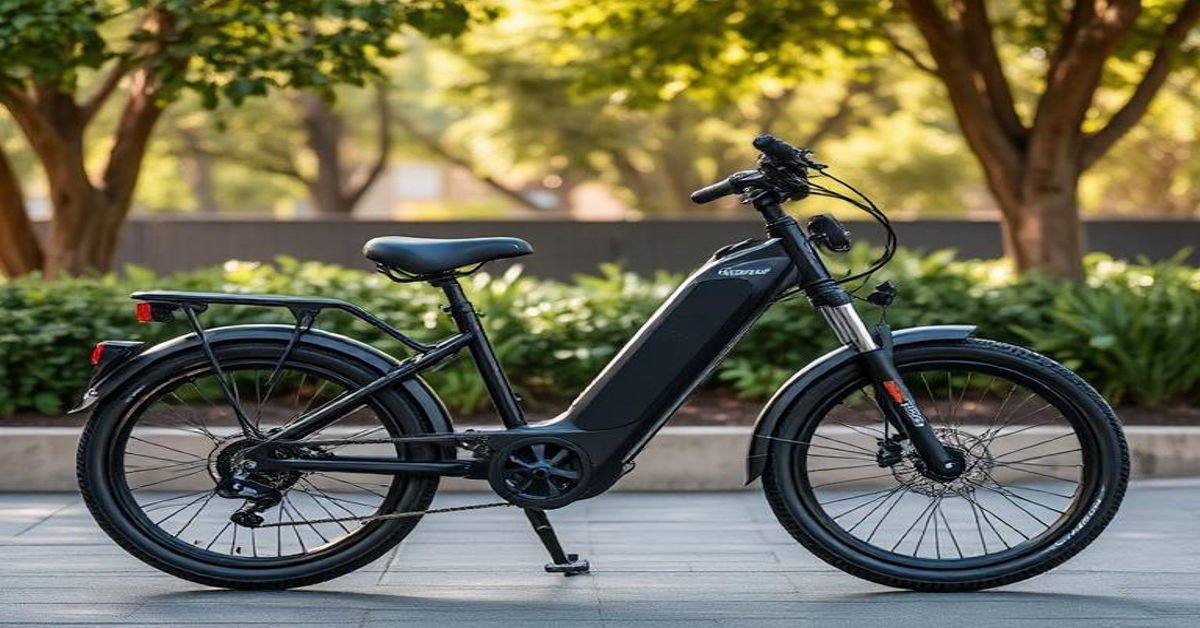
EV Bike Resale Value: What to Expect in 2025 In recent years, electric bikes (EV bikes or electric two-wheelers) have seen massive growth across global markets, especially in countries like India, the USA, and parts of Europe. Rising fuel prices, environmental awareness, government incentives, and advancements in battery technology have made EV bikes a practical choice for daily commuting.
As more people adopt electric bikes, a new and important question is emerging among buyers and sellers alike: What will be the resale value of EV bikes in 2025? Traditionally, resale value has been a strong factor in the two-wheeler market, influencing purchasing decisions. With electric bikes being relatively new compared to petrol bikes, many users are unsure how depreciation, battery life, and technology upgrades will affect resale prices.
This article provides a detailed, experience-based and expert-informed analysis of EV bike resale value in 2025. It explains key influencing factors, expected trends, comparison with petrol bikes, and practical tips to maximize resale value, helping buyers make informed decisions.
Understanding EV Bike Resale Value
Resale value refers to the price at which an electric bike can be sold after a period of use. For EV bikes, resale value depends on both traditional factors like brand and condition, and unique factors such as battery health, charging cycles, and software support.
Unlike petrol bikes, where engine condition dominates resale pricing, EV bikes rely heavily on battery performance and electronics. Since batteries are the most expensive component, buyers in the resale market focus on remaining battery life and replacement cost.
In 2025, as EV adoption matures, resale markets are expected to become more structured, transparent, and data-driven.
Key Factors Affecting EV Bike Resale Value
Battery Health and Remaining Capacity
Battery condition is the single most important factor influencing resale value. EV bike batteries degrade over time due to charging cycles, temperature exposure, and usage patterns.
A battery retaining 80 percent or more of its original capacity will command a much higher resale price compared to one nearing replacement.
Brand Reputation and Market Trust
Established brands with proven reliability tend to retain value better. Buyers prefer brands known for consistent performance, safety, and long-term service support.
Battery Warranty Transferability
Many electric bike manufacturers offer battery warranties of 3 to 8 years. If the warranty is transferable to the next owner, resale value improves significantly.
Charging Infrastructure Compatibility
EV bikes compatible with standard charging connectors and widespread infrastructure will be easier to resell than models dependent on proprietary chargers.
Software Updates and App Support
Modern EV bikes rely on software for performance optimization and diagnostics. Continued software support increases confidence in used EV bikes.
Expected EV Bike Resale Value Trends in 2025
By 2025, EV bike resale values are expected to stabilize due to market maturity. Early adopters experienced higher depreciation, but newer models benefit from improved batteries and predictable life cycles.
Below is an estimated resale value trend based on average ownership duration:
| Ownership Period | Expected Resale Value Percentage |
|---|---|
| 1 Year | 75% – 85% |
| 2 Years | 60% – 70% |
| 3 Years | 45% – 55% |
| 4–5 Years | 30% – 40% |
These figures vary by brand, battery condition, and usage type, but overall depreciation is becoming more predictable than in earlier years.
EV Bikes vs Petrol Bikes: Resale Value Comparison
Petrol bikes have traditionally enjoyed strong resale due to long engine life and familiarity. However, EV bikes are closing the gap.
| Aspect | EV Bikes (2025) | Petrol Bikes (2025) |
|---|---|---|
| Depreciation Speed | Moderate | Moderate |
| Key Wear Component | Battery | Engine |
| Maintenance Cost | Low | Medium to High |
| Fuel Cost Sensitivity | None | High |
| Resale Transparency | Improving | Established |
While petrol bikes still have a slight advantage in rural and low-infrastructure areas, EV bikes are expected to perform equally well or better in urban resale markets by 2025.
Impact of Battery Replacement Cost on Resale Value
Battery replacement cost directly affects resale pricing. Buyers calculate resale value by subtracting potential battery replacement expenses from the expected usage benefit.
In 2025, battery prices are expected to reduce due to local manufacturing and recycling initiatives. This reduction will positively impact resale value by lowering buyer concerns.
| Battery Type | Average Life (Years) | Replacement Cost Trend |
|---|---|---|
| Lithium-ion (LFP) | 6–8 | Decreasing |
| Lithium-ion (NMC) | 5–7 | Stable |
Lower replacement costs mean higher resale confidence.
Role of Government Policies and Incentives
Government support for electric mobility also affects resale value. Incentives for EV adoption, tax benefits, and charging infrastructure expansion improve long-term confidence in electric bikes.
In some regions, used EV bikes may qualify for reduced registration fees or incentives, increasing demand in the resale market.
Stable policy environments in 2025 are expected to reduce uncertainty and encourage second-hand EV purchases.
How Usage Pattern Influences EV Bike Resale Value
Not all EV bikes age the same way. Usage pattern plays a major role.
Urban Commuting
Regular short trips with overnight charging are ideal for battery health. These bikes retain better resale value.
High-Speed or Highway Use
Frequent high-speed riding and fast charging increase battery wear, reducing resale price.
Fleet and Delivery Usage
EV bikes used for delivery services often show higher wear and lower resale value unless battery replacement has been done.
Buyers increasingly request usage history data in 2025.
Importance of Service Records and Battery Reports
Transparent documentation increases resale value. A complete service record and battery health report reassure buyers about long-term usability.
Manufacturers offering digital service logs and battery diagnostics tools provide an advantage in the resale market.
Popular EV Bike Segments and Their Resale Performance
| Segment | Resale Demand Level | Expected Retention |
|---|---|---|
| City Commuter | High | Strong |
| Premium Performance | Medium | Moderate |
| Budget EV Bikes | High | Moderate |
| Delivery-Focused | Medium | Lower |
City commuter EV bikes are expected to dominate the resale market in 2025 due to practicality and lower battery stress.
How to Maximize EV Bike Resale Value
Maintain Optimal Charging Habits
Avoid frequent fast charging and extreme battery drain.
Follow Manufacturer Service Guidelines
Regular inspections help detect issues early.
Keep Software Updated
Updated firmware improves performance and resale trust.
Store Properly
Avoid prolonged exposure to heat and moisture.
Preserve Documentation
Invoices, warranty papers, and service history add resale credibility.
Common Myths About EV Bike Resale Value
Many believe EV bikes have poor resale value. This misconception comes from early models with limited range and expensive batteries.
By 2025, improved technology, longer battery warranties, and growing market acceptance are changing this narrative.
EV bikes are no longer experimental products but mainstream mobility solutions.
Expert Outlook on EV Bike Resale Value in 2025
Industry experts expect EV bike resale values to become more standardized, similar to petrol bikes. Data-driven pricing platforms and battery health scoring systems will help buyers and sellers agree on fair value.
As trust increases, resale liquidity will improve, reducing ownership risk and accelerating EV adoption.
Is Buying an EV Bike in 2025 a Smart Resale Decision?
From a resale perspective, buying an EV bike in 2025 is significantly safer than in earlier years. Predictable depreciation, lower operating costs, and improved battery life make EV bikes a financially sensible option for both short-term and long-term ownership.
While resale value may still vary by brand and usage, the overall trend is positive.
Conclusion
EV bike resale value in 2025 is expected to be stronger, more transparent, and more reliable than ever before. Battery health, brand trust, warranty coverage, and charging compatibility will remain the most influential factors.
As technology matures and the second-hand EV market grows, electric bikes will continue to close the gap with petrol bikes in resale performance. For buyers and sellers alike, understanding these dynamics is key to making confident decisions in the evolving electric mobility landscape.
1 thought on “EV Bike Resale Value: What to Expect in 2025”