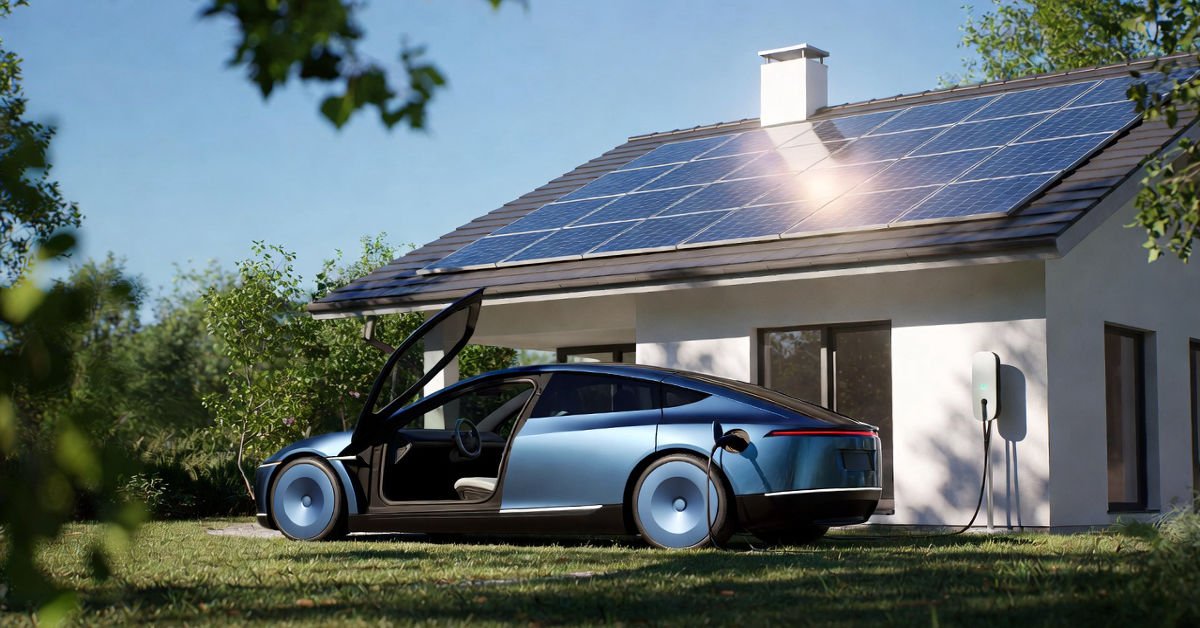
The global transition toward electric vehicles (EVs) is accelerating as governments, businesses, and individuals seek cleaner transportation solutions. However, while EVs reduce tailpipe emissions, they still depend on electricity—often generated from fossil fuels. This raises an important question: how can electric cars become truly green?
One promising answer is solar charging for electric cars. By harnessing energy directly from the sun, EV owners can power their vehicles using a renewable, low-cost, and environmentally friendly resource. Solar charging represents a bridge between clean transportation and clean energy, offering long-term benefits for drivers and the planet alike.
Understanding Solar Charging for Electric Cars
Solar charging refers to the process of using solar panels to generate electricity that can be used to charge an electric vehicle’s battery. This electricity can come from rooftop solar systems, dedicated solar carports, or portable solar charging units.
Unlike conventional grid charging, solar charging relies on photovoltaic (PV) panels that convert sunlight into direct current (DC) electricity. This electricity is then either used immediately to charge the vehicle or stored in a battery system for later use.
There are three primary ways solar energy can be used for EV charging:
-
Home rooftop solar systems connected to EV chargers
-
Solar-powered public charging stations
-
Integrated solar panels installed on vehicles themselves
Each approach has different costs, efficiencies, and practical limitations.
How Solar Charging Systems Work
Solar charging systems operate through a simple but efficient chain of components:
-
Solar panels capture sunlight and convert it into DC electricity.
-
Inverters convert DC into AC power for home use or charging equipment.
-
EV chargers (EVSE) deliver controlled power to the vehicle battery.
-
Optional battery storage stores excess solar energy for night or cloudy conditions.
When solar production exceeds household needs, the surplus energy can charge the electric car or be exported to the grid through net metering.
Basic Solar Charging Flow
| Component | Function |
|---|---|
| Solar panels | Capture sunlight and produce electricity |
| Inverter | Converts DC power to usable AC |
| EV charger | Safely delivers power to the car |
| EV battery | Stores energy for driving |
| Optional storage battery | Saves excess solar energy |
This system enables drivers to fuel their vehicles using sunlight, significantly reducing dependence on fossil fuel-based electricity.
Benefits of Solar Charging for Electric Cars
Solar charging offers several compelling advantages that extend beyond simple cost savings.
Environmental Benefits
Solar energy is clean and renewable. Charging an EV with solar power eliminates carbon emissions associated with electricity generation from coal or gas plants. This significantly reduces the overall carbon footprint of transportation.
Cost Savings Over Time
Although installing solar panels requires upfront investment, the long-term savings can be substantial. Once installed, sunlight is free. Over the lifespan of a solar system (20–25 years), EV owners can save thousands of dollars on fuel and electricity costs.
Energy Independence
Solar charging reduces reliance on utility companies and protects drivers from rising electricity prices. This energy independence is especially valuable during power outages or fuel shortages.
Convenience
Charging at home using solar energy means fewer trips to public charging stations. Vehicles can charge during the day while parked at home or work.
Comparison of Charging Sources
| Charging Method | Cost per km | Environmental Impact | Reliability |
|---|---|---|---|
| Grid electricity (coal-based) | Medium | High emissions | High |
| Grid electricity (renewable mix) | Low | Moderate emissions | High |
| Solar charging | Very low | Near zero emissions | Weather dependent |
Solar Charging at Home: Practical Implementation
Home solar charging is currently the most practical and popular option. A rooftop solar system paired with a Level 2 EV charger allows drivers to charge their cars efficiently during daylight hours.
A typical EV requires between 30 and 60 kWh for a full charge, depending on battery size. A 5 kW solar system can generate approximately 20–25 kWh per day under good sunlight conditions, meaning partial or full daily charging is possible for many users.
Key Factors Affecting Home Solar Charging
-
Roof size and orientation
-
Sunlight availability
-
Battery capacity of the EV
-
Driving distance per day
-
Local climate and weather patterns
Estimated Solar System Size vs Charging Needs
| Daily Driving Distance | Required Solar Capacity |
|---|---|
| 30 km per day | 2–3 kW |
| 50 km per day | 3–4 kW |
| 100 km per day | 5–6 kW |
These figures vary by region and sunlight exposure but provide a useful reference for planning.
Solar-Powered Public Charging Stations
Public solar charging stations are becoming more common in cities, highways, and parking lots. These stations use large solar canopies or nearby solar farms to generate electricity for multiple vehicles.
They offer several advantages:
-
Zero-emission charging
-
Reduced strain on the electrical grid
-
Visible commitment to sustainability
-
Ideal for workplaces and shopping centers
However, solar-powered public stations still often rely on grid backup power to ensure consistent availability.
Vehicle-Integrated Solar Panels
Some electric vehicles now feature built-in solar panels on their roofs or hoods. These panels generate small amounts of electricity that can extend driving range or power auxiliary systems.
While innovative, current technology limits how much energy vehicle-mounted panels can produce due to surface area constraints. Most can only provide between 5 and 15 km of extra range per day under optimal conditions.
This approach works best as a supplementary charging source rather than a primary one.
Challenges and Limitations of Solar Charging
Despite its promise, solar charging faces several practical challenges.
Weather Dependence
Solar power generation depends heavily on sunlight. Cloudy days, rain, and seasonal changes can significantly reduce output.
Initial Installation Costs
Installing solar panels and charging equipment requires upfront investment. Although costs have fallen dramatically in recent years, affordability remains a concern for some households.
Space Requirements
Not all homes have sufficient roof space or proper orientation for solar panels.
Charging Speed
Solar charging alone may be slower than grid-powered fast chargers, particularly for large batteries.
Limitations Overview
| Challenge | Impact |
|---|---|
| Weather variability | Reduced energy production |
| High initial cost | Slower return on investment |
| Space constraints | Limits system size |
| Charging time | May require hybrid charging |
Economic Analysis: Is Solar Charging Worth It?
From a financial perspective, solar charging can be highly cost-effective over time. The return on investment depends on electricity prices, fuel costs, and government incentives.
In many regions, solar panel installations are supported by tax credits and subsidies. These incentives significantly shorten payback periods.
Estimated Cost Comparison (10-Year Period)
| Energy Source | Approximate Cost |
|---|---|
| Petrol for conventional car | High |
| Grid electricity for EV | Medium |
| Solar charging for EV | Low |
After installation, the operational cost of solar charging is nearly zero, making it one of the cheapest long-term fueling options.
Safety and Reliability Considerations
Solar EV charging systems are designed with safety in mind. Modern systems include:
-
Overvoltage protection
-
Ground fault detection
-
Automatic shutoff mechanisms
-
Smart monitoring systems
When installed by certified professionals, solar charging systems are highly reliable and safe for daily use.
Future of Solar Charging for Electric Cars
Advancements in solar technology and battery storage are expected to improve efficiency and affordability. Emerging technologies include:
-
High-efficiency photovoltaic cells
-
Transparent solar glass
-
Flexible solar panels
-
AI-based energy management systems
In the future, parking lots, highways, and even roads could generate solar power for vehicles. Smart grids will balance solar production with EV charging demand automatically.
Governments worldwide are investing heavily in renewable energy infrastructure, making solar charging a central component of future transportation systems.
Expert Perspective on Solar Charging
Energy researchers and automotive engineers agree that solar charging will not completely replace grid charging but will significantly complement it. The combination of renewable energy and electric vehicles represents one of the most effective strategies for reducing greenhouse gas emissions.
From an environmental standpoint, solar-powered EVs are among the cleanest transportation solutions currently available.
Frequently Asked Questions
Can solar panels fully charge an electric car?
Yes, depending on system size and sunlight conditions, solar panels can fully charge an electric car over time.
Is solar charging slower than grid charging?
It can be slower, but smart energy management systems can optimize charging during peak sunlight hours.
Do solar-powered cars work at night?
At night, charging relies on stored solar energy or grid electricity unless battery storage is installed.
Is solar charging safe?
Yes, certified systems follow strict electrical safety standards.
Conclusion
Solar charging for electric cars represents a powerful combination of renewable energy and clean transportation. While challenges remain, the technology is already practical for many households and businesses. It reduces carbon emissions, lowers long-term costs, and supports energy independence.
As solar panel efficiency improves and battery storage becomes more affordable, solar charging will play an increasingly important role in the global EV ecosystem. For environmentally conscious drivers, investing in solar charging is not only a financial decision but also a commitment to a sustainable future.
1 thought on “Solar Charging for Electric Cars”