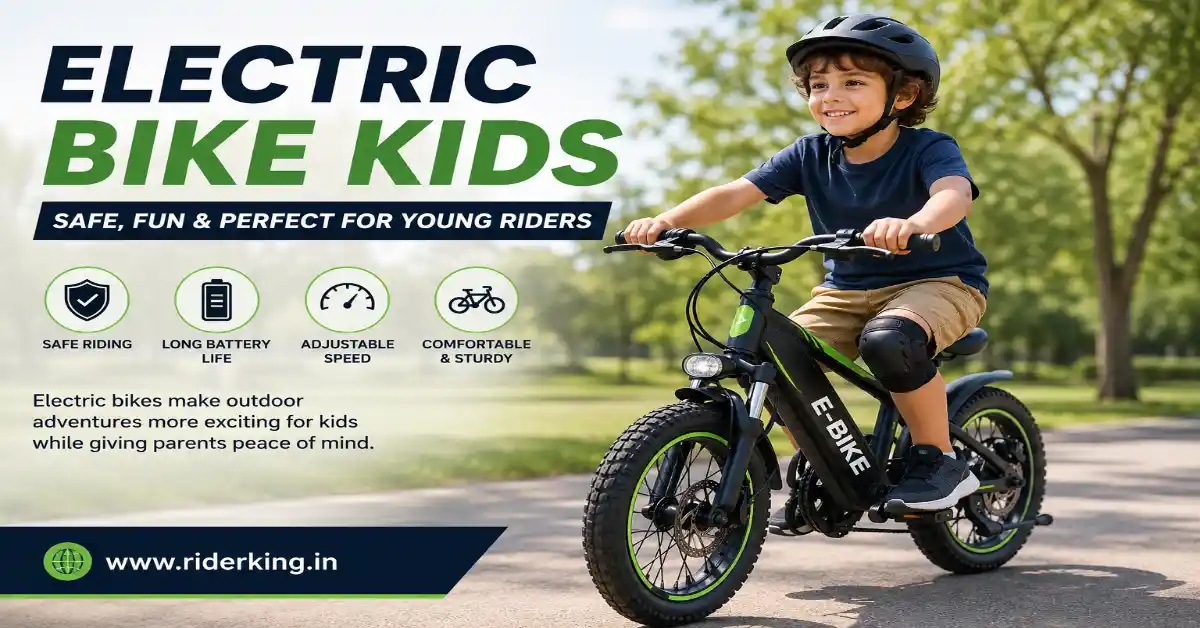
Electric Bike Kids I spent several weekends comparing models, reading manuals, talking to parents, and watching how children actually used electric bikes. What surprised me most wasn’t the speed or battery life—it was how much the right bike depended on the child’s age, confidence, and the parents’ involvement.
If you’re thinking about buying an electric bike for your child, here’s everything I wish someone had told me before making a decision.
Why Kids Are Interested in Electric Bikes
Children naturally love riding bikes. An electric bike simply adds a small motor that helps with pedaling or powers the bike using a throttle, depending on the model.
For kids, this means:
- Riding longer without getting exhausted
- Keeping up with parents on family rides
- Climbing hills more easily
- Having more confidence while learning
- Electric Bike Kids
The fun factor is definitely there, but it’s important to remember that an electric bike isn’t just another toy. It’s a powered vehicle that requires responsibility.
Are Electric Bikes Safe for Kids?
The honest answer is yes—but only when the bike matches the child’s age, size, and experience.
One mistake I noticed was parents buying oversized bikes because they wanted their child to “grow into it.”
That rarely works well.
A bike that’s too large becomes difficult to control, especially during turns or emergency stops. A properly fitted bike gives children much better balance and confidence.
Safety also depends on:
- Wearing a certified helmet every ride
- Adult supervision for younger riders
- Riding in safe areas away from heavy traffic
- Understanding basic traffic rules
- Respecting speed limits
The bike itself is only one part of the equation. Good riding habits matter even more.
What Age Is Right for an Electric Bike?
There’s no universal answer because children develop at different rates.
Generally:
| Age | Recommendation |
|---|---|
| Under 8 years | Usually not recommended unless it’s a very low-speed ride-on designed specifically for young children. |
| 8–10 years | Suitable only with close adult supervision and low-speed models. |
| 10–12 years | Many children can safely ride entry-level electric bikes after proper instruction. |
| 13+ years | More options become available, but supervision and local regulations still matter. |
Always check your local laws because some areas have minimum age requirements for electric bike riders.
Choosing the Right Size
This is where many buyers make expensive mistakes.
Instead of choosing based on age alone, look at:
- Child’s height
- Inseam length
- Weight
- Riding confidence
- Electric Bike Kids
When your child sits on the bike, they should comfortably reach the handlebars and place at least the balls of both feet on the ground.
That extra stability makes a huge difference.
Features Worth Paying For
After comparing several models, these are the features I believe are genuinely useful.
Adjustable Speed Modes
Some bikes allow parents to limit the maximum speed.
This is probably my favorite feature because children can gradually gain confidence before unlocking faster modes.
Reliable Brakes
Disc brakes generally provide stronger and more consistent stopping power.
Test the brakes before every ride.
Quality Battery
A removable battery makes charging easier.
Choose batteries from reputable manufacturers instead of unknown brands.
LED Lights
Front and rear lights improve visibility during evening rides or cloudy weather.
Comfortable Seat
A child who feels comfortable rides with better posture and has more control over the bike.
Understanding Battery Life
Battery range depends on several factors.
These include:
- Rider weight
- Road conditions
- Tire pressure
- Wind
- Riding style
- Level of motor assistance
For family rides around parks and neighborhoods, many children’s electric bikes provide more than enough range for a day out.
One thing I learned quickly is not to store the battery completely empty for long periods. Keeping it partially charged helps maintain battery health.
Always follow the manufacturer’s charging instructions.
Where Kids Should Ride
Choosing the right riding location is just as important as choosing the right bike.
Good places include:
- Bike trails
- Parks with cycling paths
- Quiet residential streets where permitted
- Private property
- Family campgrounds
Places to avoid include:
- Busy roads
- Parking lots with moving vehicles
- Crowded sidewalks
- Wet or icy surfaces
- Steep downhill routes for beginners
Children gain confidence much faster in calm environments without traffic pressure.
Teaching a Child to Ride an Electric Bike
One lesson stood out during practice sessions.
Don’t start with the motor. Electric Bike Kids.
Practice Like a Regular Bicycle
Turn off the motor.
Let your child become comfortable balancing, steering, and braking.
Introduce Low Power
Activate the lowest assistance mode.
Ride together at walking speed.
Practice Braking
Many beginners focus only on accelerating.
Spend time practicing controlled stops from different speeds.
Learn Turning
Wide, slow turns help children understand how the bike responds.
Build Confidence Gradually
Avoid increasing speed until your child consistently demonstrates safe riding habits.
There’s no prize for learning quickly.
Essential Safety Gear
The bike isn’t the only investment.
Every young rider should have:
- Certified bicycle helmet
- Knee pads
- Elbow pads
- Gloves
- Closed-toe shoes
- Bright clothing
Reflective clothing becomes especially helpful during evening rides.
Common Mistakes Parents Make
Watching families at local bike parks taught me several valuable lessons.
Buying Too Much Power
Children don’t need high-powered motors.
A modest motor provides plenty of enjoyment while keeping speeds manageable.
Ignoring Weight
Heavy electric bikes become difficult for children to maneuver.
Choose a lightweight frame whenever possible.
Skipping Practice
Some parents assume riding an electric bike is exactly like riding a bicycle.
The added acceleration changes how the bike behaves.
Practice makes a noticeable difference.
Forgetting Maintenance
Simple checks before each ride can prevent bigger problems later.
Look at:
- Tire pressure
- Brake performance
- Chain condition
- Battery charge
- Loose bolts
These inspections take only a few minutes.
Maintenance Tips That Actually Help
Electric bikes don’t require constant maintenance, but regular care keeps them reliable.
Here’s the routine I recommend:
Weekly:
- Clean off dirt and mud.
- Check tire pressure.
- Inspect brakes.
Monthly:
- Tighten loose bolts.
- Lubricate the chain if recommended.
- Inspect cables.
Every few months:
- Check battery health.
- Inspect tires for wear.
- Review all electrical connections.
Avoid spraying high-pressure water directly at electrical components.
A damp microfiber cloth usually works much better.
Real-Life Family Ride Experience
One weekend, our family planned a short ride through a local park.
The adults assumed the children would get tired after half an hour.
Instead, the electric bikes helped them keep a steady pace for almost two hours with regular breaks.
Interestingly, they weren’t racing.
They were exploring.
They stopped to watch ducks, took photos, and enjoyed the ride without constantly complaining about steep hills.
That changed my perspective.
A well-chosen electric bike isn’t just about speed.
It encourages children to spend more time outdoors.
How to Set Good Riding Rules
Before every ride, agree on simple rules such as:
- No riding without a helmet.
- Stay where adults can see you.
- Never race other riders.
- Slow down near pedestrians.
- Stop immediately if something feels wrong with the bike.
- Keep both hands on the handlebars.
Children respond surprisingly well when expectations are clear.
Should You Buy a New or Used Electric Bike?
Both options have advantages.
A new bike usually includes:
- Warranty coverage
- New battery
- Better reliability
- Updated safety features
A used bike may save money but requires careful inspection.
Check:
- Battery condition
- Brake wear
- Tire condition
- Charger functionality
- Frame damage
- Motor performance
Replacing an old battery can be expensive, so don’t overlook that detail.
Helping Kids Build Responsible Riding Habits
The goal isn’t simply teaching a child how to operate an electric bike.
It’s teaching them how to ride responsibly.
Encourage them to:
- Respect pedestrians.
- Follow local cycling rules.
- Look ahead instead of down.
- Signal before turning when appropriate.
- Ride at a comfortable speed.
- Stop when unsure.
These habits stay with them long after they’ve outgrown their first electric bike.
Is an Electric Bike Worth It for Kids?
After spending time with families who regularly use them, I’d say an electric bike can be a fantastic investment when chosen carefully.
The happiest children weren’t the ones with the fastest bikes.
1 thought on “Electric Bike Kids | Before Buying One for a Child”