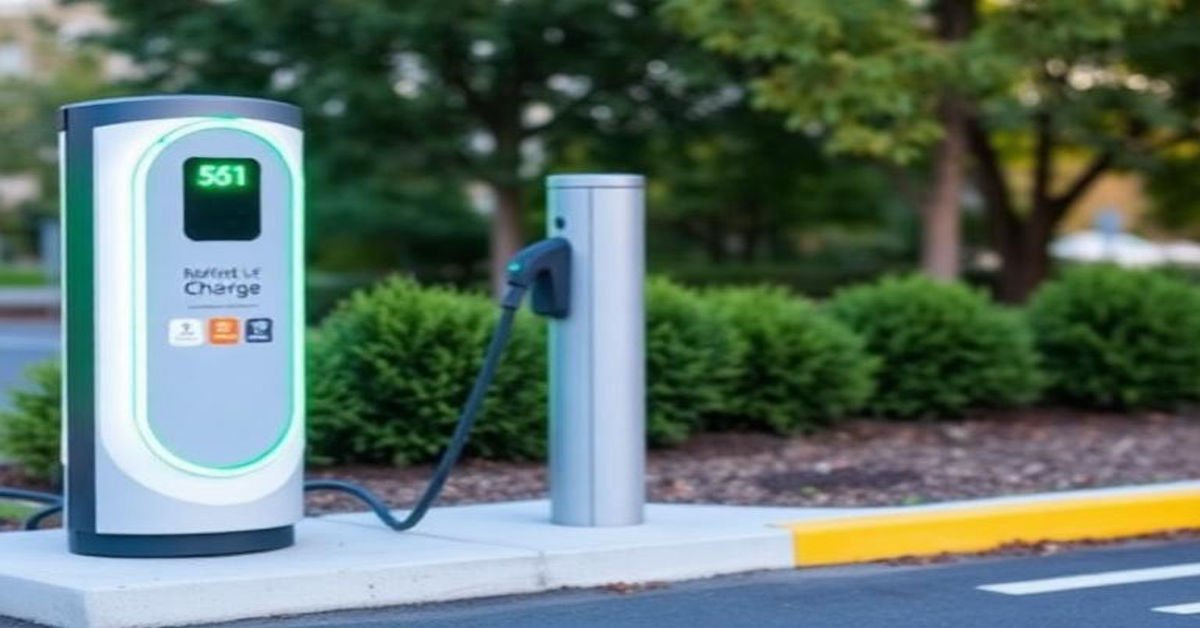
EV Charging Station Government Grants in Canada as part of its national commitment to reduce greenhouse gas emissions and achieve net-zero targets. A key pillar of this transition is the expansion of electric vehicle (EV) charging infrastructure across the country. However, installing EV charging stations can involve significant upfront costs. To accelerate adoption and reduce financial barriers, the Canadian government and provincial authorities offer a range of EV charging station grants and incentive programs.
This article provides a comprehensive, experience-driven guide to EV charging station government grants in Canada, covering federal, provincial, municipal, and utility-based programs. It is designed for businesses, property owners, fleet operators, Indigenous communities, and homeowners who want reliable, up-to-date information to make informed decisions.
Why EV Charging Station Grants Matter in Canada
The success of electric vehicles depends heavily on convenient and accessible charging infrastructure. While EV adoption in Canada continues to grow each year, many regions still face charging gaps, particularly in rural areas, multi-unit residential buildings, and commercial locations.
Government grants help address these challenges by:
-
Reducing upfront installation and equipment costs
-
Encouraging private sector participation
-
Supporting workplace and fleet electrification
-
Promoting equitable access to charging infrastructure
-
Accelerating climate and clean-energy goals
From personal experience shared by small businesses and property managers, grants often make the difference between delaying a project and moving forward with installation.
Federal EV Charging Station Grants in Canada
Zero Emission Vehicle Infrastructure Program (ZEVIP)
The Zero Emission Vehicle Infrastructure Program (ZEVIP) is Canada’s flagship federal funding initiative supporting EV charging infrastructure development nationwide.
ZEVIP focuses on deploying chargers in areas where Canadians live, work, and travel. This includes public locations, workplaces, commercial buildings, and multi-unit residential properties.
ZEVIP Funding Overview
| Grant Feature | Details |
|---|---|
| Funding Coverage | Up to 50% of total eligible project costs |
| Maximum Funding | Varies by project type |
| Eligible Applicants | Businesses, municipalities, Indigenous organizations, non-profits |
| Charger Types | Level 2 and DC Fast Chargers |
| Geographic Scope | Nationwide |
The program prioritizes projects that demonstrate long-term public benefit and high utilization potential. Applicants are required to provide detailed project plans, cost estimates, and timelines.
ZEVIP Eligible Locations and Use Cases
ZEVIP funding applies to several strategic installation categories. Each category targets a specific gap in Canada’s charging network.
| Location Type | Purpose |
|---|---|
| Public Charging | Support highway corridors and urban centers |
| Workplace Charging | Encourage employee EV adoption |
| Multi-Unit Residential Buildings | Improve access for apartment and condo residents |
| Fleet Charging | Enable electrification of commercial and municipal fleets |
In practice, workplace charging has proven particularly effective in encouraging employees to switch to EVs, according to feedback from participating employers.
Provincial EV Charging Grants in Canada
In addition to federal programs, provinces offer their own EV charging incentives tailored to regional priorities.
Ontario EV Charging Grants
Ontario supports EV infrastructure through programs managed by energy authorities and utility partners.
| Program Type | Key Benefits |
|---|---|
| Workplace Charging Support | Partial reimbursement for charger installation |
| Fleet Electrification Grants | Incentives for commercial EV infrastructure |
| Utility Rebates | Reduced electricity upgrade costs |
Ontario businesses installing chargers in parking facilities often combine utility rebates with federal ZEVIP funding for greater savings.
British Columbia EV Charging Incentives
British Columbia is one of Canada’s leaders in EV adoption and charging infrastructure support.
| Program | Funding Support |
|---|---|
| CleanBC Go Electric | Up to 50% of eligible costs |
| Multi-Unit Residential Rebates | Higher incentives for apartment buildings |
| Indigenous Community Support | Dedicated funding streams |
BC’s approach emphasizes residential and community charging, reflecting its dense urban housing structure.
Quebec EV Charging Station Grants
Quebec offers robust incentives through its provincial EV programs.
| Incentive Category | Description |
|---|---|
| Public Charging Support | Grants for commercial installations |
| Workplace Chargers | Financial aid for employee charging |
| Multi-Residential Programs | Support for shared charging systems |
Quebec’s long-standing EV policies have resulted in one of the most mature charging networks in the country.
Municipal and Local EV Charging Incentives
Many Canadian cities and municipalities offer additional funding or fee reductions for EV charging projects. These incentives often stack with provincial and federal grants.
Examples include:
-
Permit fee reductions
-
Property tax incentives
-
Public-private partnership funding
-
Local sustainability grants
Municipal programs are especially beneficial for small businesses and community organizations with limited capital budgets.
Utility Company EV Charging Rebates
Electric utility companies across Canada also play a key role in EV infrastructure expansion.
| Utility Support Type | Benefit |
|---|---|
| Electrical Upgrade Rebates | Lower panel upgrade costs |
| Demand Management Programs | Reduced peak electricity charges |
| Charger Installation Support | Financial incentives or technical guidance |
Utility rebates are often overlooked but can significantly reduce total project costs when combined with government grants.
EV Charging Grants for Businesses in Canada
Businesses benefit from EV charging grants in multiple ways. Installing chargers can attract customers, retain employees, and future-proof commercial properties.
Common Business Use Cases
| Business Type | Charging Benefit |
|---|---|
| Retail Stores | Increased dwell time |
| Offices | Employee satisfaction |
| Hotels | Guest convenience |
| Parking Operators | New revenue streams |
Many businesses report improved brand perception after installing EV chargers, aligning their operations with sustainability values.
EV Charging Grants for Multi-Unit Residential Buildings
Apartment and condominium residents often face challenges accessing home charging. Government grants help property managers overcome these barriers.
| Support Area | Impact |
|---|---|
| Electrical Infrastructure | Reduced upgrade costs |
| Shared Charging Systems | Efficient use of space |
| Resident Demand | Increased property value |
Installing EV chargers has become a competitive advantage for residential properties in urban Canadian markets.
EV Charging Grants for Fleets and Municipal Vehicles
Fleet electrification is a major focus of Canadian climate policy. Grants help municipalities and companies transition their vehicles efficiently.
| Fleet Type | Supported Infrastructure |
|---|---|
| Delivery Fleets | Depot charging stations |
| Public Transit | Fast-charging systems |
| Municipal Vehicles | Centralized charging hubs |
Fleet operators often qualify for higher funding limits due to their impact on emissions reduction.
Indigenous and Rural EV Charging Grants
The Canadian government places strong emphasis on equitable access to EV infrastructure.
| Community Type | Funding Priority |
|---|---|
| Indigenous Communities | Dedicated funding streams |
| Remote Areas | Higher grant coverage |
| Northern Regions | Infrastructure resilience support |
These programs support economic development while improving mobility in underserved regions.
How to Apply for EV Charging Station Grants in Canada
Applying for EV charging grants requires preparation and attention to detail.
Typical Application Steps
-
Identify eligible funding programs
-
Conduct a site assessment
-
Obtain equipment and installation quotes
-
Prepare a project proposal
-
Submit the application
-
Await approval and funding agreement
Applicants who work with experienced EV charging installers often achieve higher approval success rates.
Common Mistakes to Avoid When Applying
| Mistake | Why It Matters |
|---|---|
| Incomplete Documentation | Causes delays or rejection |
| Ineligible Equipment | Funding may be denied |
| Unrealistic Timelines | Impacts credibility |
| Missing Cost Breakdown | Reduces approval chances |
Learning from past applicants’ experiences highlights the importance of clear and accurate submissions.
Cost Savings with Government Grants
Government grants can significantly reduce installation costs.
| Installation Type | Without Grants | With Grants |
|---|---|---|
| Level 2 Charger | High upfront cost | Up to 50% savings |
| DC Fast Charger | Major investment | Substantial funding relief |
When combined with operational incentives, the long-term return on investment improves considerably.
Long-Term Benefits of Installing EV Charging Stations
Beyond financial incentives, EV charging infrastructure delivers lasting advantages.
-
Increased property value
-
Enhanced sustainability credentials
-
Compliance with future regulations
-
Contribution to Canada’s climate goals
Organizations that invest early are often better positioned as EV adoption continues to grow.
Future Outlook for EV Charging Grants in Canada
Canada’s commitment to clean transportation suggests that EV charging grants will continue evolving. Future programs are expected to focus on:
-
Fast-charging expansion
-
Smart charging technologies
-
Grid integration solutions
-
Rural and underserved communities
Staying informed about upcoming funding rounds is essential for maximizing opportunities.
Final Thoughts on EV Charging Station Government Grants in Canada
EV charging station government grants in Canada play a crucial role in building a sustainable transportation ecosystem. From federal programs like ZEVIP to provincial, municipal, and utility-based incentives, funding options are widely available for those willing to plan and apply carefully.
Whether you are a business owner, property manager, fleet operator, or community organization, leveraging these grants can significantly reduce costs while contributing to Canada’s clean-energy future. With proper planning, experienced partners, and awareness of available programs, installing EV charging stations becomes not just feasible, but strategically advantageous.
1 thought on “EV Charging Station Government Grants in Canada”