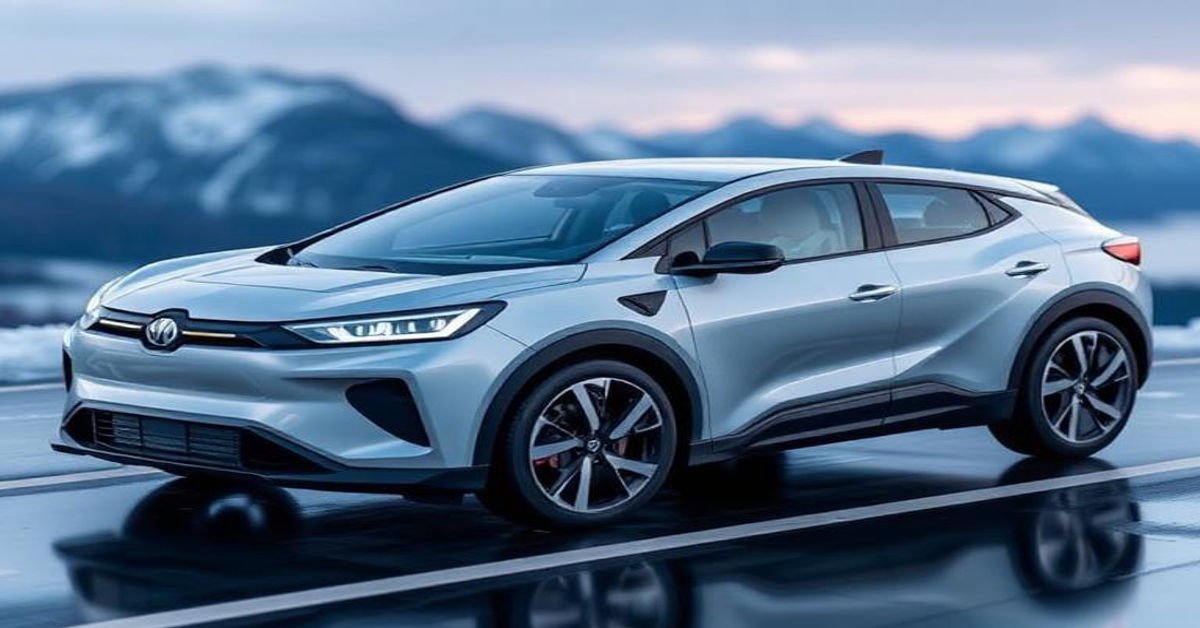
The global electric vehicle (EV) industry is entering a new phase of innovation, and at the heart of this transformation lies solid-state battery technology. As countries race to improve EV range, safety, charging speed, and sustainability, Canada has emerged as an important player in solid-state EV battery development. With its strong research ecosystem, abundant critical minerals, and government support for clean energy, Canada is positioning itself as a future leader in next-generation battery technology.
This article explores the current state of solid-state EV battery development in Canada, the companies and institutions driving innovation, key advantages over conventional lithium-ion batteries, challenges, timelines for commercialization, and what this technology means for Canada’s EV and clean energy future.
Understanding Solid-State EV Batteries
Solid-state batteries differ from conventional lithium-ion batteries mainly in one crucial aspect: the electrolyte. Traditional batteries use a liquid or gel electrolyte, while solid-state batteries replace this with a solid material such as ceramics, polymers, or sulfides.
This fundamental change allows for higher energy density, improved safety, and longer battery life. For EV manufacturers and consumers alike, solid-state batteries represent a potential breakthrough that could overcome many current limitations of electric vehicles.
Key Components of Solid-State Batteries
| Component | Description | Importance for EVs |
|---|---|---|
| Solid Electrolyte | Replaces liquid electrolyte with solid material | Improves safety and energy density |
| Lithium Metal Anode | Often used instead of graphite | Enables longer driving range |
| Cathode Material | Similar to lithium-ion but optimized for solid state | Supports high voltage and stability |
The use of solid electrolytes eliminates the risk of leakage and significantly reduces fire hazards, which is a major concern with today’s EV batteries.
Why Solid-State Batteries Matter for Canada
Canada’s interest in solid-state EV battery development is not accidental. The country has unique advantages that align perfectly with next-generation battery technology.
Canada is rich in critical minerals such as lithium, nickel, cobalt, and graphite, all essential for advanced batteries. Combined with a highly skilled workforce and world-class research institutions, Canada offers an ideal environment for battery innovation.
Strategic Benefits for Canada
| Advantage | Impact |
|---|---|
| Abundant critical minerals | Reduces dependence on imports |
| Strong academic research | Accelerates innovation |
| Clean electricity grid | Low-carbon battery manufacturing |
| Government EV policies | Encourages commercialization |
By investing in solid-state batteries, Canada strengthens its position in the global EV supply chain while supporting climate goals and economic growth.
Current State of Solid-State EV Battery Development in Canada
Solid-state battery technology is still in the development and pilot-production stage globally. In Canada, progress is being driven through a combination of university research, startup innovation, and industry partnerships.
While commercial solid-state EV batteries are not yet widely available, Canadian researchers and companies are making steady progress toward scalable and cost-effective solutions.
Development Stages in Canada
| Stage | Status |
|---|---|
| Fundamental research | Advanced |
| Prototype development | Ongoing |
| Pilot manufacturing | Limited but growing |
| Mass commercialization | Expected in coming years |
Canadian institutions are focusing on improving solid electrolyte stability, reducing production costs, and ensuring compatibility with existing EV manufacturing systems.
Leading Canadian Institutions and Research Centers
Canada’s universities and public research organizations play a critical role in advancing solid-state battery technology. These institutions contribute fundamental research, materials science expertise, and talent development.
Major Research Contributors
| Institution | Area of Focus |
|---|---|
| University of Toronto | Solid electrolytes and battery interfaces |
| McGill University | Advanced materials and electrochemistry |
| Dalhousie University | Battery longevity and performance |
| National Research Council (NRC) | Battery testing and scale-up research |
These institutions collaborate with both domestic and international partners, ensuring Canadian research remains globally relevant and commercially viable.
Canadian Companies Working on Solid-State Battery Technology
Canada’s battery ecosystem includes startups and established firms exploring solid-state technology for EV applications. While many companies are still in early development phases, their work is crucial for future commercialization.
Emerging Canadian Players
| Company Type | Focus Area |
|---|---|
| Battery startups | Solid electrolyte materials |
| Mining companies | Battery-grade lithium and nickel |
| Manufacturing firms | Battery component production |
| EV supply chain companies | Integration and testing |
Rather than operating in isolation, Canadian firms often collaborate with global automakers and battery manufacturers, strengthening Canada’s role in the international EV market.
Government Support and Policy Framework
Government support is one of the strongest drivers of solid-state EV battery development in Canada. Federal and provincial governments have launched funding programs aimed at battery innovation, clean transportation, and domestic manufacturing.
These initiatives reduce financial risk for companies and accelerate the transition from laboratory research to commercial production.
Key Government Initiatives
| Program Type | Purpose |
|---|---|
| Clean energy funding | Supports battery R&D |
| EV manufacturing incentives | Encourages domestic production |
| Mineral development programs | Secures raw material supply |
| Innovation grants | Supports startups and SMEs |
This policy environment makes Canada attractive for both domestic and foreign investment in advanced battery technologies.
Advantages of Solid-State EV Batteries Over Lithium-Ion
Solid-state batteries offer several technical advantages that make them highly attractive for future EVs.
Performance Comparison
| Feature | Lithium-Ion Battery | Solid-State Battery |
|---|---|---|
| Energy density | Moderate | High |
| Safety | Fire risk possible | Much safer |
| Charging speed | Medium | Faster potential |
| Battery lifespan | Limited degradation | Longer lifespan |
| Operating temperature | Narrow range | Wider range |
For Canadian climates, where cold temperatures can reduce EV performance, solid-state batteries offer better thermal stability and reliability.
Challenges Facing Solid-State Battery Development
Despite their promise, solid-state batteries face significant challenges that must be addressed before mass adoption becomes feasible.
Key Challenges
| Challenge | Explanation |
|---|---|
| High manufacturing cost | Complex materials and processes |
| Scaling production | Difficult to move from lab to factory |
| Material stability | Long-term durability issues |
| Supply chain readiness | New materials require new infrastructure |
Canadian researchers are actively working on solutions, such as alternative solid electrolytes and hybrid battery designs that balance performance and cost.
Role of Critical Minerals in Canada’s Battery Strategy
Canada’s natural resource base is a major advantage in solid-state EV battery development. Solid-state batteries often rely on lithium metal and advanced cathode materials, making mineral security essential.
Key Battery Minerals in Canada
| Mineral | Importance |
|---|---|
| Lithium | Core energy storage element |
| Nickel | Improves energy density |
| Cobalt | Enhances stability |
| Graphite | Used in some battery designs |
Responsible mining and sustainable processing are priorities, ensuring Canada’s battery supply chain aligns with environmental and social standards.
Timeline for Commercialization in Canada
Solid-state EV batteries are expected to enter the market gradually rather than through an immediate industry shift. Canadian experts anticipate early adoption in niche applications before full EV integration.
Expected Adoption Timeline
| Timeframe | Expected Progress |
|---|---|
| Short term | Prototype testing and pilot plants |
| Medium term | Limited commercial EV use |
| Long term | Mass-market EV adoption |
Canada’s early investment positions it well to benefit as the technology matures.
Impact on Canada’s EV Industry
The adoption of solid-state batteries could reshape Canada’s EV industry by improving vehicle performance, lowering long-term costs, and enhancing consumer confidence.
Longer driving ranges and faster charging times address two of the biggest barriers to EV adoption, particularly in rural and remote areas of Canada.
Industry Benefits
| Area | Impact |
|---|---|
| EV manufacturing | Competitive advantage |
| Job creation | High-skill employment |
| Exports | Advanced battery technologies |
| Sustainability | Lower carbon emissions |
Solid-state batteries support Canada’s transition to a low-carbon economy while strengthening its industrial base.
Environmental and Sustainability Considerations
Solid-state batteries align well with Canada’s environmental goals. Their longer lifespan reduces battery waste, and safer chemistry lowers environmental risks.
Additionally, when combined with Canada’s clean electricity grid, solid-state battery manufacturing can achieve a significantly lower carbon footprint compared to global competitors.
Canada’s Position in the Global Solid-State Battery Race
Globally, countries like Japan, South Korea, the United States, and Germany are heavily investing in solid-state battery technology. Canada may not yet lead in mass production, but it plays a crucial role in research, materials supply, and clean manufacturing.
By focusing on strategic partnerships rather than competition alone, Canada strengthens its global relevance in the EV battery ecosystem.
Future Outlook for Solid-State EV Battery Development in Canada
The future of solid-state EV battery development in Canada is promising but requires patience and sustained investment. Continued collaboration between academia, industry, and government will be essential.
As production costs decrease and technology matures, solid-state batteries could become a cornerstone of Canada’s clean transportation strategy.
Conclusion
Solid-state EV battery development represents a critical opportunity for Canada to lead in next-generation clean energy technology. With its strong research institutions, rich mineral resources, supportive government policies, and growing EV market, Canada is well positioned to play a major role in the global shift toward safer, more efficient electric vehicles.
While challenges remain, ongoing innovation and collaboration continue to move solid-state battery technology closer to commercial reality. As the EV industry evolves, solid-state batteries could redefine electric mobility in Canada, delivering longer range, improved safety, and a more sustainable future for generations to come.
2 thoughts on “Solid-State EV Battery Development in Canada”